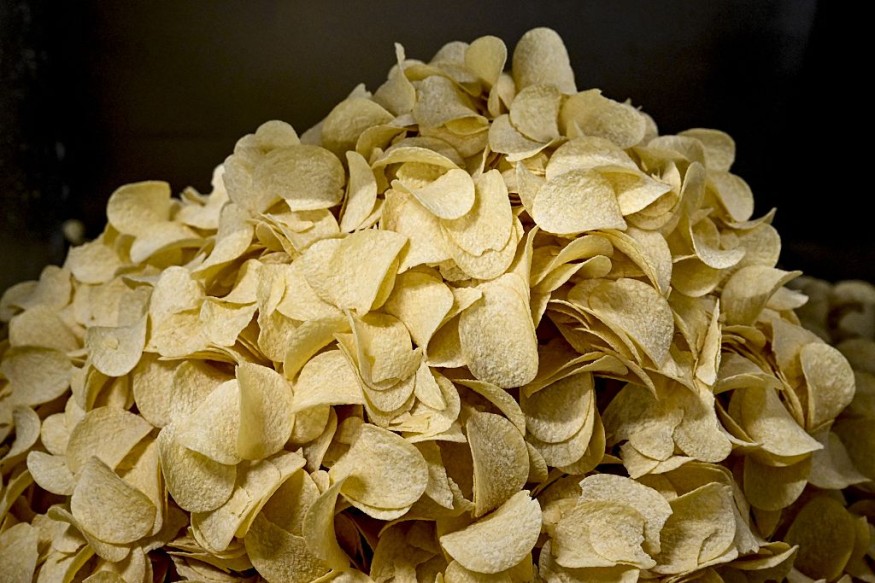
The chips, sodas, and frozen meals sitting in millions of American kitchens may be doing more than expanding waistlines. Two new studies suggest they could also be slowing down the brain — and researchers say some of the industry's tactics have roots in Big Tobacco.
WHAT THIS MEANS FOR YOUR GROCERY CART
Neither study tells you that eating a bag of chips will cause dementia. But the pattern across multiple studies is consistent: the more ultra-processed food makes up your daily diet, the more frequently researchers are finding links to health outcomes worth paying attention to.
Practical steps based on current research:
• Check ingredient lists — the longer and more unrecognizable, the more processed the product likely is
• Try swapping one packaged snack per day for a whole-food alternative
• When buying packaged foods, look for versions with fewer additives and no artificial flavors
WHAT THE BRAIN STUDY FOUND
The research, led by Dr. Barbara Cardoso from Monash University alongside researchers from the University of São Paulo and Deakin University, assessed 2,192 Australian adults aged 40 to 70 who were free of dementia. Participants' diets and cognitive performance were analyzed as part of the Healthy Brain Project, with results published April 23, 2026, in Alzheimer's & Dementia: Diagnosis, Assessment & Disease Monitoring.
The study found that each 10% increase in ultra-processed food intake was associated with lower attention scores and higher dementia risk scores — independent of how healthy the rest of the person's diet was.
In plain terms: eating well in other ways did not cancel out the effects of eating more ultra-processed food.
According to Dr. Cardoso, a 10% increase in ultra-processed foods is roughly equivalent to adding one standard packet of chips to a daily diet. For every increase of that size, there was a distinct and measurable drop in a person's ability to focus.
Key findings from the study:
• Declines were seen in visual attention and processing speed
• No significant connection was found between ultra-processed foods and memory loss
• Following a healthy diet — such as the Mediterranean diet — made little difference if ultra-processed foods were still part of the daily routine
Note: The study is observational, meaning it shows an association, not a direct cause-and-effect relationship. The participants were Australian adults, and findings may not translate directly to U.S. populations.
WHAT COUNTS AS ULTRA-PROCESSED FOOD?
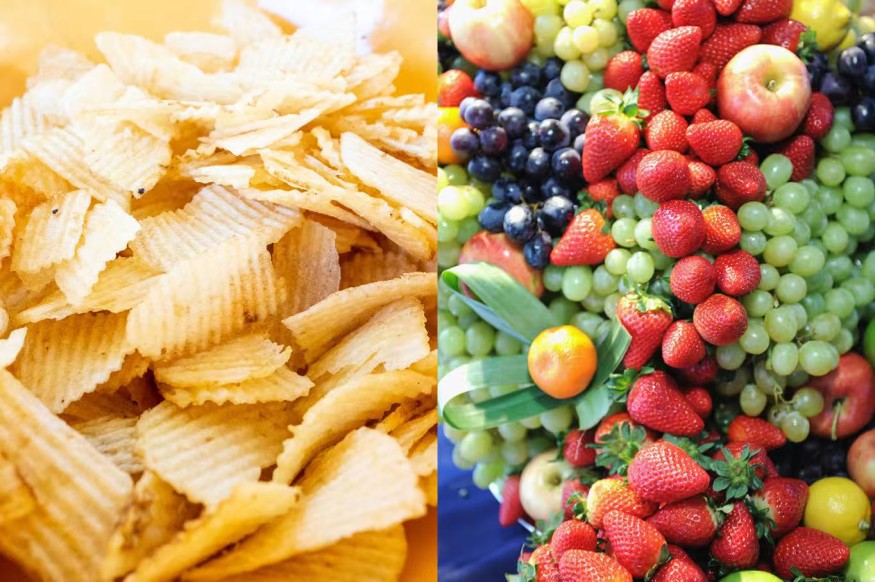
Ultra-processed foods are products made mostly from industrial ingredients rather than whole foods. Common examples include:
• Soft drinks and energy drinks
• Packaged chips and crackers
• Frozen meals and instant noodles
• Flavored yogurts and breakfast cereals
• Hot dogs, chicken nuggets, and deli meats
The NOVA classification system, used in this study, categorizes foods into four groups based on how much industrial processing they undergo. Ultra-processed foods sit at the top of that scale.
WHY SCIENTISTS ARE CONCERNED
Researchers say ultra-processed foods are designed to be convenient, inexpensive, and highly appealing. Many contain combinations of added sugar, salt, fats, and artificial flavorings that encourage people to eat more than they intended.
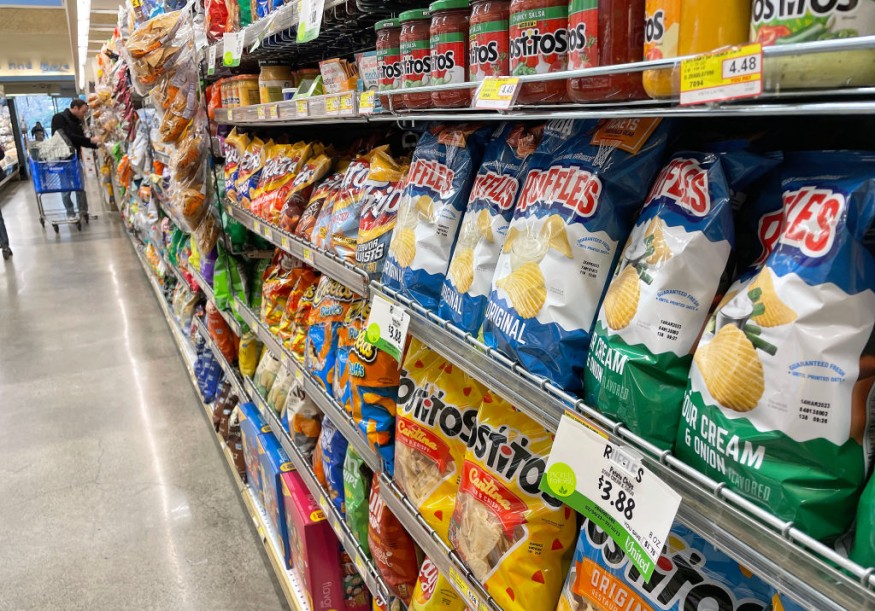
The U.S. picture is striking. According to the CDC's NCHS Data Brief No. 536, published in August 2025 and based on the National Health and Nutrition Examination Survey, Americans aged 1 and older get an average of 55% of their total daily calories from ultra-processed foods. Among children and teens, that figure rises to 61.9%. Among adults, it stands at 53%.
Previous studies have linked high consumption of ultra-processed foods to obesity, Type 2 diabetes, cardiovascular disease, and certain cancers. The new brain findings add cognitive decline to that list.
THE TOBACCO INDUSTRY CONNECTION
Separately, research published June 3 in the American Journal of Public Health draws direct comparisons between the ultra-processed food industry and the tobacco industry — not just in terms of health outcomes, but in how these products were developed and marketed.
According to Laura Schmidt, a professor and researcher at the University of California, San Francisco, the technologies used to optimize nicotine's addictive properties — including added sugar and artificial flavorings — were later transferred to ultra-processed food development. Her study traces how Philip Morris applied the same flavor engineering used to make lower-nicotine cigarettes more palatable to the development of products like Lunchables, including lower-fat cheeses and processed meats.
According to Nicholas Chartres, an associate editor of the journal and one of the paper's authors, the research adds to a growing body of evidence that these food products are associated with chronic disease, that they have addictive characteristics, and that they were intentionally developed by tobacco and food companies.
Researchers say the same public health strategies that reduced cigarette use — warning labels, marketing restrictions, litigation — could be applied to ultra-processed foods. According to Jennifer Pomeranz, an expert on food policy and law at New York University, state attorneys general could file suits against food companies alleging damage to public health, similar to the tobacco lawsuits of the 1990s.
FAQ
I already eat a lot of ultra-processed foods. What should I do now?
A: The research does not suggest you need to eliminate these foods entirely. The studies show associations at the level of overall dietary patterns, not individual products. A practical starting point is reducing frequency rather than cutting everything at once — replacing one or two ultra-processed items per day with minimally processed alternatives is a manageable step most nutrition researchers support. If you have specific concerns about cognitive health or diet, a registered dietitian or your primary care doctor is the right person to talk to.
How do I spot an ultra-processed food at the grocery store?
A: The quickest method is to read the ingredient list, not the nutrition label. Ultra-processed foods typically contain ingredients you would not find in a home kitchen — things like high-fructose corn syrup, hydrogenated oils, maltodextrin, carrageenan, artificial colors (Red 40, Yellow 5), and flavor enhancers like disodium inosinate. A general rule: if the ingredient list is longer than five or six items and includes words you cannot pronounce, the product is likely ultra-processed. Whole or minimally processed foods — fresh produce, plain meat, eggs, dried beans, plain yogurt — typically have one ingredient or none at all.
© copyright 2024 Food World News, a property of HNGN Inc. All rights reserved. Use of this website constitutes acceptance of our terms and conditions of use and privacy policy.


