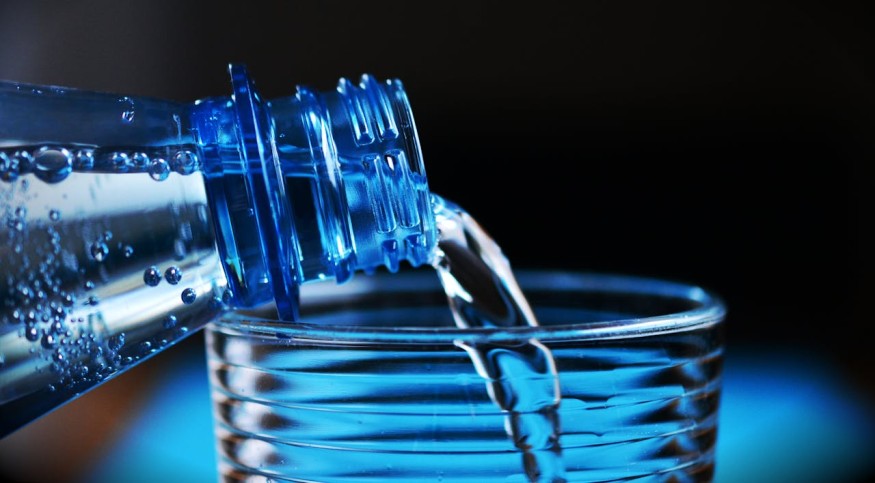
Sparkling water has become a daily staple for millions of people, often chosen as a fizzy, sugar-free alternative to soda. But a quiet worry follows every sip: is sparkling water bad for teeth? The honest answer from dentists and the American Dental Association is more nuanced than a flat yes or no. It depends on what kind, how much, and how it is consumed. Understanding where the sparkling water teeth risk actually begins makes the difference between a harmless habit and a slow erosion problem.
Is Sparkling Water Bad for Your Teeth?
Plain, unflavored sparkling water is generally considered safe for teeth in moderation, according to the American Dental Association. A study published in JADA Foundational Science tested donated human teeth soaked in various beverages and found that plain sparkling water caused minimal erosion, while sodas and sports drinks were dramatically more damaging. The only beverages that caused no enamel erosion at all were non-carbonated, non-flavored still waters.
The answer to is sparkling water bad for teeth is: not significantly, as long as it is plain, consumed in one sitting, and not replacing fluoridated tap water as the main daily drink. Risk rises meaningfully with added flavors, citric acids, and all-day sipping habits.
Why Does Sparkling Water Affect Teeth at All?
The fizz in carbonated water comes from dissolved carbon dioxide, which forms carbonic acid when it mixes with water. This mild acid lowers the drink's pH below neutral. A healthy mouth sits at a pH of around 7.5, and enamel begins to break down when oral pH drops below 5.5. Most plain sparkling waters fall between pH 4 and 5, making them acidic but far less so than soda, sports drinks, or citrus juice.
The saving factor is saliva, which produces natural mineral buffers that restore pH after an acid challenge. This is why occasional sparkling water consumption does not cause significant harm. When acid exposure is continuous throughout the day, saliva cannot keep up, and that is when real sparkling water teeth risk develops.
Is Flavored Sparkling Water Worse Than Plain?
Yes, considerably. Flavored sparkling waters, including sugar-free varieties, frequently contain citric acid or other flavor-enhancing acids that push the pH well below the levels found in plain carbonated water. ADA-referenced research found that flavored sparkling waters eroded enamel measurably more than plain versions, though still less than regular or diet soda. Citrus-flavored waters carry the highest risk within this category, and adding fresh lemon or lime juice at home increases acidity further.
Dr. Edmond Hewlett, ADA spokesperson, has noted that the more acidic the drink, the greater the risk of tooth erosion with frequent consumption. Anyone weighing is sparkling water bad for teeth should note that the answer changes considerably once citric or flavor acids enter the mix.
How Does Sparkling Water Compare to Soda and Juice?
Plain sparkling water sits comfortably between still water and soda on the erosion scale. Soda contains both carbonic and phosphoric acid alongside sugars that fuel acid-producing oral bacteria, making it a far larger threat. Sports drinks rate as extremely erosive in ADA research. Dentists consistently say that switching from soda to sparkling water is a meaningful improvement. The goal, however, is to avoid replacing fluoridated tap water entirely, as still water remains the only beverage that causes no enamel erosion at all.
How to Protect Your Teeth If You Drink Sparkling Water
The biggest risk for sparkling water teeth damage is not the drink itself but how it is consumed. Continuous sipping bathes teeth in mild acid for hours, overwhelming saliva's ability to buffer. These practical adjustments make a significant difference:
- Drink sparkling water in one sitting rather than sipping slowly throughout the day
- Pair it with meals, when saliva production is higher and food buffers the acidity
- Use a straw to reduce direct contact between carbonated water and tooth enamel
- Rinse with plain water after finishing to help restore oral pH
- Wait at least 30 minutes before brushing after drinking anything acidic, as softened enamel is more vulnerable to abrasion
- Choose plain over flavored, and avoid adding citrus juice
- Brush twice daily with fluoride toothpaste to support enamel remineralization
The Truth About Sparkling Water and Teeth: Habit and Moderation Are Everything
Plain sparkling water consumed in moderation is not a meaningful threat to enamel for most healthy adults. The real risk comes from flavored varieties, continuous sipping, and using carbonated water as a full replacement for fluoridated still water. Dentists and the ADA agree: if the choice is between soda and sparkling water, sparkling wins. If the choice is between sparkling and plain tap water, still water is always safer for long-term sparkling water teeth health. Small, consistent habits, drinking with meals, using a straw, waiting before brushing, make it easy to enjoy the fizz without the dental consequences.
This article is for informational purposes only and is not a substitute for professional dental advice, diagnosis, or treatment. Always consult a qualified dentist regarding your individual oral health needs.
Frequently Asked Questions
1. Is sparkling water bad for teeth if it has no sugar?
Sugar-free plain sparkling water is generally safe for teeth in moderation, according to the ADA. The mild carbonic acid creates a slightly acidic environment, but saliva can buffer this when exposure is limited. Risk increases with flavored varieties containing citric acid, and with continuous all-day sipping that prevents saliva from restoring oral pH.
2. How does sparkling water compare to soda for enamel erosion?
Sparkling water is significantly less erosive than soda. ADA-published research classifies sodas and sports drinks as extremely erosive, while plain sparkling water ranks as minimally erosive. Soda contains both carbonic and phosphoric acid, plus sugars that fuel acid-producing bacteria, making it a considerably larger threat to sparkling water teeth health than plain carbonated water.
3. What are the early signs of enamel erosion to watch for?
Early signs include increased tooth sensitivity to cold, sweet, or hot foods, and a gradual yellowing of teeth as enamel thins to expose the yellower dentin beneath. Teeth may also develop a smoother, glossier surface or show flattening on biting surfaces. Enamel erosion is slow and often identified first by a dentist during a routine check-up rather than by the patient at home.
4. What is the safest way to drink sparkling water without damaging teeth?
The most protective habits are finishing sparkling water in one sitting instead of sipping throughout the day, drinking it with meals, using a straw to minimize tooth contact, rinsing with plain water afterward, and waiting at least 30 minutes before brushing. Choosing plain over flavored varieties and maintaining a daily fluoride toothpaste routine also significantly reduces the risk of enamel erosion over time.
© copyright 2024 Food World News, a property of HNGN Inc. All rights reserved. Use of this website constitutes acceptance of our terms and conditions of use and privacy policy.


