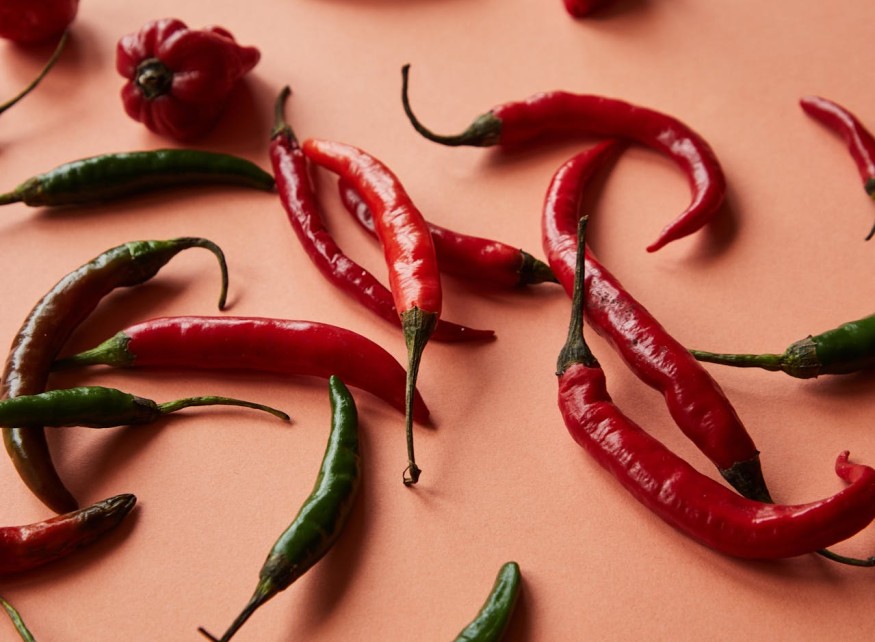
Spiciness is not a taste. It is not detected by taste buds the way sweetness or saltiness is. When someone bites into a chili pepper and feels the familiar burn, the body is running a pain response triggered by a single compound called capsaicin. Understanding capsaicin effects and why chili peppers are spicy is a short trip into the nervous system, and the explanation is more elegant than most people expect.
What Is Capsaicin and Where Does It Come From?
Capsaicin is the primary active compound in chili peppers of the genus Capsicum. It is fat-soluble and repels water, which matters a great deal when choosing a remedy. Despite producing an intense burning sensation, capsaicin is odorless and has no flavor of its own. The heat it produces is entirely neurological, not chemical.
The compound is concentrated in the white pithy ribs inside the pepper, called the placenta, not the seeds as is commonly assumed. The plant produces it as a deterrent against seed-destroying mammals. Birds, which serve as seed dispersers, are immune to capsaicin. Their TRPV1 receptor, the protein responsible for the burn in mammals, does not respond to capsaicin at all. This evolutionary design is the entire reason chili plants produce the compound in the first place.
Why Do Chili Peppers Feel Hot If There Is No Real Heat?
The body detects dangerous heat through pain-sensing nerve proteins called nociceptors. One of these, TRPV1 (Transient Receptor Potential Vanilloid 1), is the receptor that explains why chili peppers are spicy. TRPV1 is an ion channel on sensory nerve endings in the mouth, throat, and skin. Its normal function is to fire a warning when tissue contacts genuinely damaging heat, specifically temperatures above around 43 degrees Celsius.
Capsaicin fits into the same binding site on TRPV1 that heat signals use. When it docks there, the channel opens and triggers an influx of calcium and sodium ions into the nerve cell, generating exactly the same electrical signal actual heat would produce. The brain receives a burn warning identical to the one a hot pan would cause, even if the pepper is eaten at room temperature. There is no way for the brain to distinguish the two. This is the entire mechanism of why chili peppers are spicy, and it is not a trick on the tongue. It is a trick on the pain system.
What Happens to the Body When Eating a Spicy Pepper?
TRPV1 activation from capsaicin sets off a cascade that mirrors the body's response to real heat or mild injury:
- The mouth and throat burn as trigeminal nerve endings fire their alarm signal
- Sweating begins as the body attempts to cool tissue it believes is overheating
- Eyes water and the nose runs as mucous membranes respond to capsaicin contact
- Heart rate rises as the nervous system enters a mild stress response
- Endorphins and dopamine are released as the brain responds to pain with its own natural relief chemistry
That last point explains a great deal about spicy food culture. The endorphin release sits alongside the burn, creating genuine euphoria. Regular spice eaters often describe hot food as both painful and deeply satisfying precisely because it is both, simultaneously and neurologically.
Why Does Milk Help but Water Makes It Worse?
Because capsaicin is fat-soluble and repels water, drinking water after a spicy bite spreads the compound rather than removing it. This is one of the most counterintuitive capsaicin effects and the most commonly regretted mistake at a spicy meal. Effective remedies share one property: the ability to dissolve or bind fat-soluble molecules.
- Full-fat dairy works best: the protein casein lifts capsaicin away from the receptor like a detergent, and fat content dissolves the oily molecule
- Sugar and honey bind the capsaicin and help remove it from tissue surfaces
- Starchy foods like bread and rice absorb and physically carry the compound out of the mouth
- Acidic liquids like lemon juice can break down some capsaicin bonds
What Is the Scoville Scale?
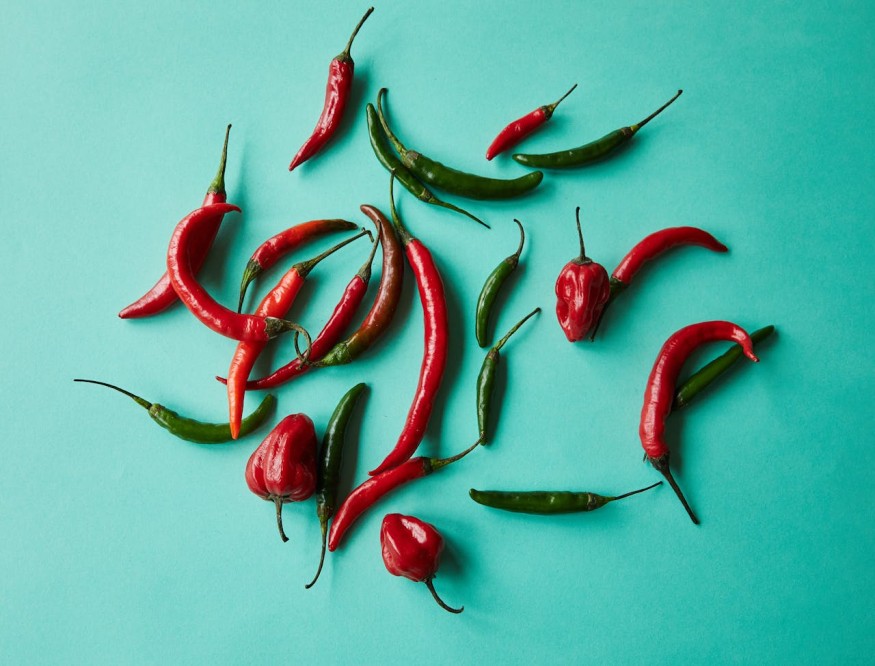
In 1912, pharmacist Wilbur Scoville developed a measurement system by diluting pepper extract in sugar water until trained tasters could no longer detect heat. The number of dilutions required became the Scoville Heat Unit, or SHU. Bell peppers score zero. Jalapeños range from 2,500 to 8,000. Habaneros reach between 100,000 and 350,000. The Carolina Reaper, the current certified record holder, has been measured above 2 million SHU. Modern labs use chemical analysis rather than human tasters, though the Scoville unit remains the standard reference in culinary and agricultural contexts.
Can Capsaicin Be Useful?
The same compound that causes the burn has found a medical application. Prolonged capsaicin exposure causes TRPV1 receptors to desensitize and stop firing, which means it can deplete the nerve ending's ability to send pain signals. The FDA-approved capsaicin patch Qutenza is prescribed for post-herpetic neuralgia, the nerve pain that follows shingles. Topical capsaicin creams for joint and muscle pain work through the same desensitization mechanism. Research into cardiovascular and metabolic effects is ongoing, though dietary capsaicin health claims remain preliminary.
The Science of Why Chili Peppers Are Spicy Makes the Burn Worth Understanding
Capsaicin does not fool the tongue. It fools the pain system. By docking onto the receptor the body uses to detect dangerous heat, it triggers a genuine physiological cascade and then softens the experience with endorphins that keep people coming back for more. The understanding of capsaicin effects reframes spicy food from a test of toughness into one of the more fascinating molecular exchanges between a plant defense mechanism and a human nervous system that has been running for thousands of years.
Frequently Asked Questions
1. What is capsaicin and why do chili peppers produce it?
Capsaicin is the primary pungent compound in chili peppers. The plant produces it to deter seed-destroying mammals. Birds, which are not affected by capsaicin, disperse the seeds instead. The compound specifically targets the TRPV1 pain receptor, which mammals have but birds do not respond to in the same way.
2. Why do chili peppers feel hot even when eaten at room temperature?
Because the heat sensation has nothing to do with temperature. Capsaicin binds to TRPV1 receptors on pain-sensing nerve endings and triggers the same electrical signal that actual high heat would produce. The brain cannot distinguish between capsaicin binding to TRPV1 and a genuinely hot stimulus, so it registers burning regardless of the food's actual temperature.
3. Why does water not help after eating something very spicy?
Capsaicin is fat-soluble and repels water, so drinking water spreads the compound around the mouth rather than removing it. Full-fat dairy is the most effective remedy because casein protein binds capsaicin molecules and the fat content dissolves them. Sugar, starchy foods, and acidic liquids also work better than water for the same molecular reasons.
Read more: Can the MIND Diet Slow Brain Aging? Healthy Living Tips From a Brain-Boosting Eating Plan
© copyright 2024 Food World News, a property of HNGN Inc. All rights reserved. Use of this website constitutes acceptance of our terms and conditions of use and privacy policy.


