Valentine's Day often centers on shared meals, sweet treats, and edible gifts. This year, however, several products commonly associated with snacking and celebrations have been flagged in Valentine's Day food recalls, drawing attention to recent FDA food safety warning notices. These recalls highlight how labeling errors and production issues can quickly turn everyday foods into potential health risks.
While food recalls occur year round, the timing near a holiday places greater focus on products that may be purchased in larger quantities or given as gifts. Understanding which items were affected and why they were pulled from shelves helps consumers make safer decisions.
Read more: Planning a Romantic Night In? Try This DIY Charcuterie Board with Easy Valentine's Appetizers
Juniper Granola Junebars: Undeclared Allergens
One of the primary items listed in recent Valentine's Day food recalls involves Juniper Granola's Junebars, specifically the Chocolate Cherry and Peanut Butter Chocolate Chip flavors. The affected bars carried batch codes L1300, L1300A, L1300B, or L1301A and were distributed in New York State during January.
The recall was issued after it was discovered that the bars contained undeclared milk and soy. According to reports, a box of non vegan chocolate chips that included milk and soy was mistakenly used during production. As a result, the product labeling did not reflect the presence of those allergens.
For individuals with milk or soy allergies, consuming such products can lead to serious or life threatening reactions. At least one allergic reaction was reported before the issue was identified. Because undeclared allergens are a major cause of food recalls in the United States, this case underscores why accurate labeling is central to food safety compliance.
Consumers who purchased the affected Junebars were advised to return them for a refund rather than consume them. This action aligns with standard FDA food safety warning protocols when allergen risks are involved.
CHIPS AHOY! Baked Bites Brookie: Choking Hazard Risk
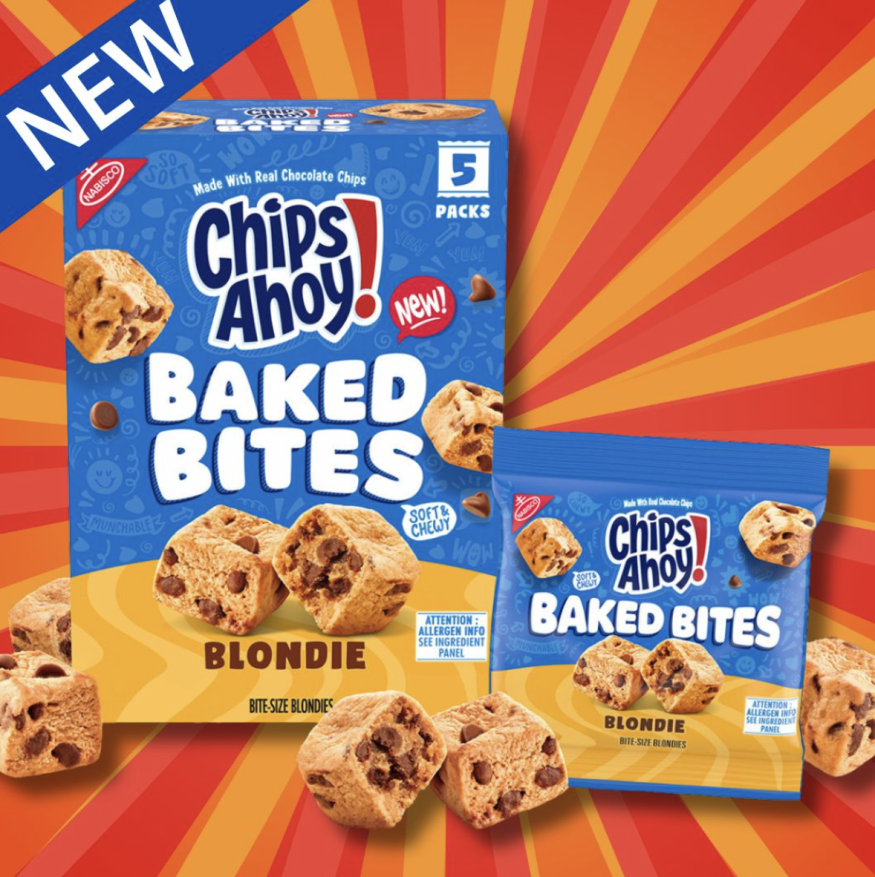
Another product included in the article's Valentine's Day food recalls list is CHIPS AHOY! Baked Bites Brookie, manufactured by Mondelēz Global LLC. Several package sizes and formats were included in the recall, with certain UPC codes and best by dates in May 2026.
Unlike the Junebars recall, this warning was not related to allergens. Instead, it stemmed from a production issue that led to the formation of small, hard corn starch clumps in the snack bites. These clumps could pose a choking hazard, particularly for young children, older adults, or individuals with swallowing difficulties.
Because the product was distributed nationwide, consumers were urged to check packaging carefully. Physical hazards such as foreign material or hardened clumps fall under food safety concerns that can prompt immediate corrective action and public notification. The recall reflects the FDA's broader mandate to reduce preventable injury risks in packaged foods.
B.C. Williams Bakery Service Cake and Bread Mixes: Class I Recall
The article also referenced a serious FDA action involving large commercial cake and bread mixes produced by B.C. Williams Bakery Service. Although these mixes were primarily sold to bakeries and food service operations rather than individual households, they are particularly relevant during a season when desserts are in high demand.
The recall was upgraded to Class I, the FDA's most serious classification. A Class I recall indicates a reasonable probability that use of the product will cause serious adverse health consequences or death. In this case, the issue again involved undeclared milk.
Milk allergies can trigger severe reactions, including anaphylaxis. When such allergens are not properly declared on packaging, the risk escalates significantly. The Class I designation signals that regulators viewed the hazard as potentially life threatening for sensitive consumers.
M&M's Repackaged Promotional Units: Allergen Labeling Issue
In addition to the items directly associated with Valentine's Day marketing, the article highlighted a recall of more than 6,000 repackaged promotional units of M&M's. These products were flagged because their packaging failed to properly warn consumers about the presence of milk, soy, and peanut allergens.
The FDA classified this recall as Class II, meaning the products could cause temporary or medically reversible health effects, with the likelihood of serious consequences considered remote. Even so, allergen mislabeling remains a persistent cause of FDA food safety warning notices.
Seasonal packaging and promotional repackaging can increase the risk of labeling discrepancies. When products are moved into themed boxes or bundles, labeling oversight becomes critical to prevent accidental exposure.
Why Allergen Recalls Are So Common
Across these cases, undeclared allergens emerge as a consistent theme. Milk, soy, peanuts, tree nuts, wheat, eggs, fish, and shellfish are among the major allergens that must be declared on packaging under federal law. When ingredients change or cross contamination occurs without proper disclosure, recalls often follow.
For individuals with allergies, even trace amounts can trigger severe reactions. Because of this, the FDA takes labeling violations seriously and issues prompt FDA food safety warning updates to alert the public.
How Consumers Can Stay Informed
Food recalls are publicly listed on the FDA's website and often reported in national media. Consumers can:
Check product lot numbers, UPC codes, and best by dates against official recall notices.
Subscribe to FDA recall email alerts.
Return or discard affected products according to manufacturer instructions.
Those with known food allergies or medical vulnerabilities may benefit from routinely checking recall updates, especially before major holidays when specialty foods and gift items are more common.
Staying Alert to Valentine's Day Food Recalls and FDA Food Safety Warning Updates
Recent Valentine's Day food recalls demonstrate how quickly safety concerns can arise, even for familiar brands and everyday snacks. From undeclared allergens in granola bars and cake mixes to choking hazards in bite sized treats, each case reflects the importance of oversight and accurate labeling.
Monitoring FDA food safety warning announcements allows consumers to respond quickly and avoid potential health risks. With celebrations often centered on shared desserts and packaged treats, staying informed remains one of the simplest ways to keep Valentine's Day gatherings safe.
© copyright 2024 Food World News, a property of HNGN Inc. All rights reserved. Use of this website constitutes acceptance of our terms and conditions of use and privacy policy.


