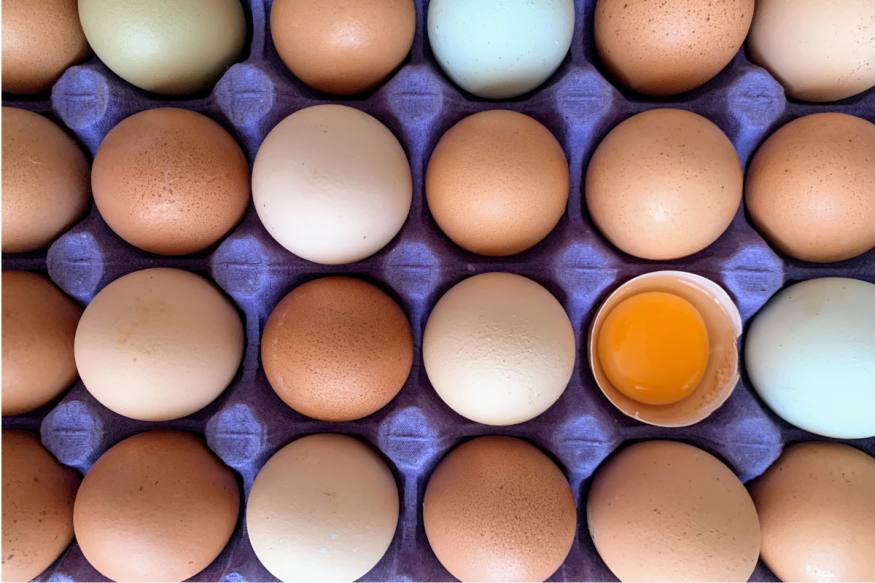
Egg cartons come stamped with dates that often cause unnecessary panic. Many shoppers assume the printed date marks the final safe day to eat what is inside. In reality, egg shelf life depends far more on storage conditions and handling than the number on the carton. When kept properly refrigerated, eggs often remain safe beyond their labeled date.
Understanding how egg shelf life works helps reduce food waste while maintaining food safety. It also clarifies why the egg freshness test remains a trusted kitchen method for checking quality at home.
What the Date on the Carton Really Means
Egg cartons typically include one of the following labels:
- Sell by date which guides retailers on how long to display eggs for sale
- Best by date which suggests when eggs will be at peak quality
- Expiration date which may appear depending on state regulations
These dates are usually conservative estimates. According to food safety guidance, eggs can last three to five weeks from the day they were placed in the refrigerator, even if the printed date passes during that time.
The key factor influencing egg shelf life is consistent refrigeration at or below 40°F. Temperature swings can shorten freshness and increase the risk of bacterial growth.
How Long Are Eggs Good After the Expiration Date
In most cases, properly refrigerated eggs remain usable for up to three weeks past the sell by date. This assumes the eggs have been stored in their original carton and kept at a steady temperature.
Egg shelf life generally follows this pattern:
- Fresh eggs at purchase can last 3 to 5 weeks in the refrigerator
- Hard boiled eggs last about 1 week when refrigerated
- Cracked raw eggs should be used within 2 days
- Frozen beaten eggs can last up to 1 year
While eggs may still be safe beyond the printed date, quality changes can occur over time. Whites may thin out and yolks may flatten, though this does not automatically mean the egg is unsafe.
How to Tell If Eggs Are Still Safe to Eat
A printed date should not be the only guide. Instead, several sensory checks provide more reliable information.
Look at the shell
- Avoid eggs with cracks, slime, or powdery residue
- Discard eggs with unusual discoloration
Smell the egg
- A strong sulfur or rotten odor is a clear sign of spoilage
- Fresh eggs have little to no smell
Check the appearance after cracking
- Cloudy egg whites are normal and often indicate freshness
- Pink, green, or iridescent colors signal contamination
Spoiled eggs produce an unmistakable odor once cracked. When in doubt, discard the egg immediately.
The Egg Freshness Test Explained
One of the most well known at home methods for checking egg shelf life is the egg freshness test, commonly called the float test.
Here is how it works:
- Fill a bowl with cold water.
- Gently place the egg in the water.
- Observe how it behaves.
- If the egg sinks and lies flat, it is very fresh.
- If it stands upright on the bottom, it is older but usually still safe.
- If it floats to the surface, it should be discarded.
Why does this happen? As eggs age, moisture and carbon dioxide escape through the porous shell. Air enters the egg and forms a larger air cell inside. The larger the air pocket, the more buoyant the egg becomes.
The egg freshness test does not detect all types of contamination, but it provides a quick indication of age and internal quality. It works best when paired with smell and visual inspection.
Proper Storage Makes All the Difference
Maximizing egg shelf life depends heavily on how eggs are stored at home.
For best results:
- Keep eggs in their original carton to reduce moisture loss and odor absorption
- Store them on an interior shelf, not in the refrigerator door
- Maintain a refrigerator temperature at or below 40°F
- Avoid washing store bought eggs, since they already have a protective coating removed during processing
Refrigerator doors experience frequent temperature changes. Storing eggs in a stable location inside the fridge helps maintain consistent quality.
Farm fresh eggs may follow different storage rules depending on whether they have been washed. Once washed, they must be refrigerated like store bought eggs.
What Happens as Eggs Age
Egg quality changes gradually over time. These changes are natural and do not always signal spoilage.
As eggs age:
- The air cell inside becomes larger
- The white becomes thinner and spreads more
- The yolk flattens and becomes less firm
Older eggs are often better for hard boiling because they peel more easily. Fresher eggs are preferred for poaching or frying due to their firmer whites.
Understanding these changes allows home cooks to use eggs strategically rather than discarding them prematurely.
When to Be More Cautious
While egg shelf life can extend beyond the printed date, certain groups should be especially careful with food safety.
Individuals who are pregnant, elderly, young children, or immunocompromised face higher risks from foodborne illness. For these groups, using eggs well within the recommended refrigeration timeline and cooking them thoroughly is advisable.
Symptoms of foodborne illness from contaminated eggs may include nausea, diarrhea, abdominal cramps, and fever. If severe symptoms occur, medical attention is necessary.
Egg Shelf Life and Freshness Test Tips That Prevent Waste
Eggs often outlast their labeled date when handled correctly. Instead of discarding them automatically, combining proper refrigeration with an egg freshness test offers a practical and safe approach.
Simple habits make a difference:
- Buy eggs last during grocery trips to minimize temperature exposure
- Refrigerate promptly after purchase
- Avoid leaving eggs out at room temperature for extended periods
- Label cartons with the purchase date for easier tracking
By relying on sensory checks and understanding how egg shelf life works, households can reduce waste while protecting their health.
How to Know If Eggs Are Still Good After the Expiration Date
Egg expiration dates provide guidance, but they are not an exact safety cutoff. Proper storage, careful inspection, and the egg freshness test offer clearer answers about usability. Most refrigerated eggs remain safe for several weeks beyond the printed date, provided there are no signs of spoilage. Paying attention to smell, appearance, and storage conditions helps ensure both safety and quality.
Frequently Asked Questions
1. Can eggs last 2 weeks after the expiration date?
Yes, eggs can often last up to two or even three weeks past the sell by date if they have been consistently refrigerated. Checking with an egg freshness test and inspecting for odor or discoloration helps confirm safety.
2. Is the float test reliable for checking egg shelf life?
The float test is a helpful indicator of age because it reflects the size of the air cell inside the egg. However, it should be combined with smell and visual inspection for the most accurate assessment.
3. How long do eggs last in the fridge from the purchase date?
Eggs typically last 3 to 5 weeks from the purchase date when stored at or below 40°F in their original carton.
4. What is the safest way to store eggs to extend egg shelf life?
Store eggs in their original carton on an interior refrigerator shelf, keep the temperature steady, and avoid exposure to warm air. Proper storage is the most effective way to extend egg shelf life safely.
© copyright 2024 Food World News, a property of HNGN Inc. All rights reserved. Use of this website constitutes acceptance of our terms and conditions of use and privacy policy.


