Ramadan is a time of reflection, prayer, and community. After a full day of fasting, Iftar becomes more than just a meal. It is a moment to restore energy, hydrate the body, and gather with loved ones. Choosing balanced and wholesome Ramadan recipes helps prevent fatigue while supporting steady energy through the evening prayers. Many families also look for easy Iftar dishes that are satisfying without requiring hours in the kitchen.
The dishes below combine tradition with nourishment, offering practical ideas that suit different tastes and cooking styles.
What Makes a Balanced Iftar Plate?
After fasting for many hours, the body benefits from gentle rehydration and steady nutrients rather than heavy, greasy foods. A balanced Iftar often includes:
- Hydrating foods such as fruits, soups, and salads
- Lean proteins like chicken, legumes, or fish
- Complex carbohydrates such as rice, whole grains, or lentils
- Moderate portions of healthy fats from nuts or olive oil
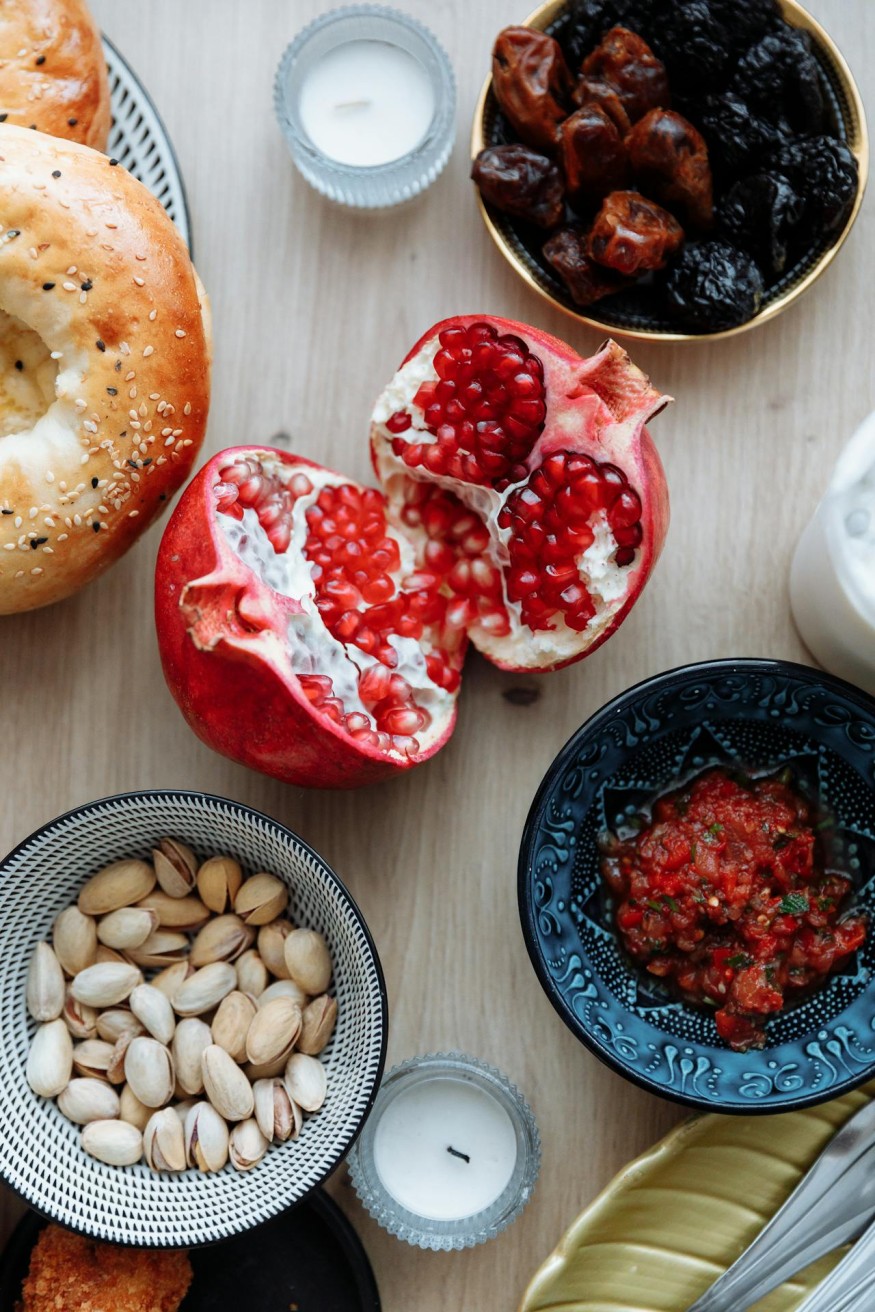
Many traditional Ramadan recipes naturally follow this pattern, beginning with dates and water before moving into soups and main dishes.
1. Dates and Milk
Breaking the fast with dates is a long standing tradition in many Muslim communities. Dates provide natural sugars that quickly replenish energy levels, while milk offers protein and hydration.
For variety, some households serve:
- Stuffed dates filled with almonds or walnuts
- Dates paired with laban or warm milk
- Date smoothies blended with bananas
This simple start remains one of the most nourishing and easy Iftar dishes.
2. Lentil Soup
Lentil soup, often known as shorbat adas in Middle Eastern cuisines, is a staple among Ramadan recipes. It is gentle on the stomach and rich in plant protein and fiber.
A typical preparation includes lentils, onions, garlic, cumin, and lemon juice. The result is warm and comforting without feeling heavy. Soups also help rehydrate the body before the main meal.
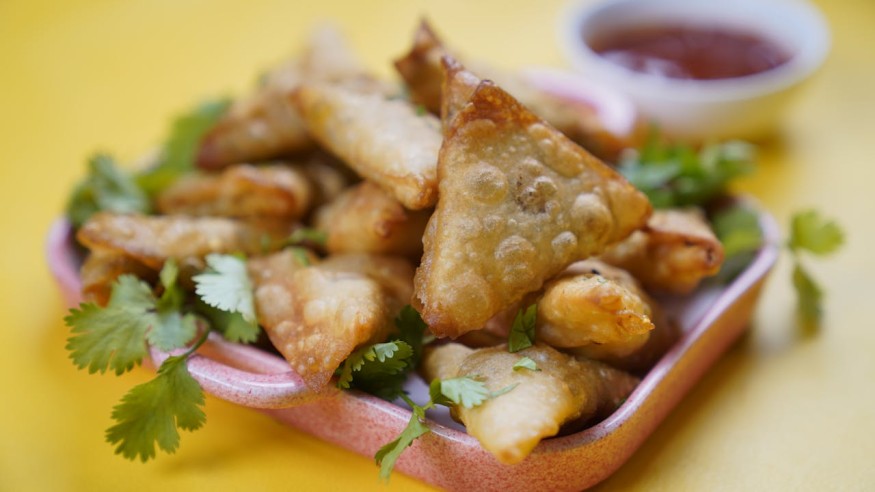
3. Baked or Air Fried Samosas
Samosas are popular across South Asian and Middle Eastern tables during Ramadan. While traditionally deep fried, many families now bake or air fry them for a lighter option.
Common fillings include:
- Spiced potatoes and peas
- Minced chicken
- Lentils or mixed vegetables
These easy Iftar dishes can be prepared in advance and reheated just before serving.
4. Fresh Fattoush Salad
A fresh salad balances richer dishes on the table. Fattoush combines crisp vegetables such as cucumbers, tomatoes, and lettuce with toasted pita pieces and a lemony dressing.
The benefits include:
- Hydration from high water content vegetables
- Added fiber for digestion
- Bright flavors that refresh the palate
Salads are often overlooked, yet they remain essential Ramadan recipes for maintaining balance.
5. Grilled Chicken Kebabs
Grilled kebabs offer lean protein without excessive oil. Marinated chicken skewers seasoned with garlic, yogurt, and spices cook quickly and pair well with rice or flatbread.
Serving suggestions include:
- With brown rice for added fiber
- Alongside yogurt sauce and salad
- Wrapped in whole wheat pita
Protein rich dishes like this help sustain energy through evening prayers.
6. Chickpea and Cucumber Salad
Chickpeas provide plant based protein and complex carbohydrates. Combined with cucumbers, tomatoes, olive oil, and lemon, this salad takes less than fifteen minutes to prepare.
It works well as:
- A side dish
- A light main option
- A filling for wraps
This is one of the most practical easy Iftar dishes for busy households.
7. Light Chicken Biryani
Biryani is a celebratory favorite in many regions. A lighter version uses less oil while still preserving flavor through spices such as turmeric, cardamom, and cinnamon.
To keep it balanced:
- Use skinless chicken
- Reduce added fats
- Serve moderate portions with salad
Among beloved Ramadan recipes, biryani remains a highlight when prepared thoughtfully.
8. Vegetable Pakoras in the Air Fryer
Pakoras are often enjoyed with tea after Maghrib prayer. Preparing them in an air fryer reduces excess oil while maintaining crisp texture.
Popular vegetables include:
- Onions
- Spinach
- Potatoes
- Cauliflower
They remain comforting yet lighter compared to deep fried versions.
9. Fruit Chaat
Fruit chaat combines seasonal fruits with a sprinkle of chaat masala and lemon juice. It offers natural sweetness without heavy syrups.
Hydrating fruits such as watermelon, oranges, and apples help restore fluids and provide vitamins. This refreshing dish is common in South Asian Ramadan recipes.
10. Stuffed Dates with Nuts and Yogurt
For those seeking a light dessert, stuffed dates paired with plain yogurt provide both sweetness and protein. Nuts add texture and healthy fats, making this a satisfying end to the meal.
Healthy and Easy Iftar Dishes to Try This Ramadan
Building a balanced Iftar does not require complicated preparation. Many nourishing Ramadan recipes rely on simple ingredients, fresh produce, and moderate portions. Combining hydrating starters, lean proteins, whole grains, and fruit based desserts allows families to enjoy traditional flavors while supporting steady energy throughout the evening.
Frequently Asked Questions
1. What are the best foods to eat at Iftar?
The best choices include dates, soups, fruits, lean proteins, and whole grains. These foods gently restore energy and hydration without overwhelming the digestive system.
2. What should be avoided when breaking the fast?
Very oily, overly salty, or heavily sweetened foods can cause discomfort and fatigue. Moderation is key, especially after long fasting hours.
3. How can healthy Ramadan recipes be prepared quickly?
Meal planning, batch cooking soups, and using tools such as air fryers or grills help create easy Iftar dishes with less time and less oil.
4. Are traditional Iftar dishes always unhealthy?
Not necessarily. Many traditional Ramadan recipes are naturally balanced. Adjusting cooking methods and portion sizes can make them lighter while preserving their authentic flavors.
Read more: The Best Lunar New Year Celebration Spots in the U.S. Plus Traditional Family Dinner Ideas
© copyright 2024 Food World News, a property of HNGN Inc. All rights reserved. Use of this website constitutes acceptance of our terms and conditions of use and privacy policy.


