
Interest in healthy food options has grown as more people learn how closely digestion, immunity, and even mood are tied to the gut. Researchers continue to explore the microbiome, the community of bacteria living in the digestive tract, and how diet shapes its balance.
For those looking to support good gut health, everyday grocery choices matter more than complicated wellness routines. The following seven foods stand out for their fiber content, probiotic benefits, and anti-inflammatory properties. Each one is accessible, versatile, and easy to include in a regular meal plan.
Why Good Gut Health Matters
The gut plays a central role in nutrient absorption, immune defense, and metabolic regulation. A diverse microbiome helps break down fiber, produce beneficial compounds like short chain fatty acids, and support the body's natural defenses.
When gut balance is disrupted, people may experience:
- Bloating or irregular digestion
- Low energy
- Frequent illness
- Skin flare ups
- Increased food sensitivities
Choosing nutrient dense healthy food options can help support microbial diversity and strengthen digestive function over time.
Read more: How to Absorb More From Every Meal: 7 Effective Diet Habits That Improve Food Bioavailability
1. Fermented Foods for Natural Probiotics
Fermented foods contain live microorganisms that may help replenish beneficial gut bacteria. While not all products contain active cultures, many traditional varieties do.
Common options include:
- Kimchi
- Plain yogurt with live cultures
- Kefir
- Sauerkraut
These foods introduce probiotics, which may support digestion and reduce inflammation. When choosing yogurt or kefir, unsweetened varieties are typically preferred to avoid excess added sugars.
Adding a spoonful of sauerkraut to a sandwich or blending kefir into a smoothie can make probiotic intake simple and sustainable.
2. Leafy Greens for Prebiotic Fiber
Leafy greens are rich in fiber and plant compounds that nourish beneficial gut bacteria. They also provide vitamins A, C, and K, along with minerals that support overall health.
Popular choices include:
- Spinach
- Kale
- Swiss chard
- Arugula
Fiber in greens acts as a prebiotic, meaning it feeds good bacteria already present in the digestive tract. Both raw and lightly cooked greens can contribute to good gut health, depending on individual tolerance.
3. Berries for Antioxidants and Fiber
Berries combine natural sweetness with impressive fiber content. They also contain polyphenols, plant compounds linked to reduced inflammation and improved gut diversity.
Top options include:
- Blueberries
- Raspberries
- Strawberries
- Blackberries
Raspberries are especially high in fiber per serving. Including a handful of berries at breakfast or as a snack is one of the easiest healthy food options to adopt.
4. Legumes for Plant Based Protein and Digestive Support
Legumes offer both soluble and insoluble fiber, which can support regular digestion. They also provide plant based protein and important minerals such as iron and magnesium.
Examples include:
- Lentils
- Chickpeas
- Black beans
- Kidney beans
Some people experience bloating when first increasing legumes. Gradual introduction and proper preparation such as soaking dried beans can improve tolerance. Over time, regular intake may support microbial balance and stronger digestive resilience.
5. Fatty Fish for Anti Inflammatory Benefits
Fatty fish contain omega 3 fatty acids, which are associated with reduced inflammation and improved gut lining integrity. A healthy gut lining helps prevent unwanted substances from entering the bloodstream.
Common choices include:
- Salmon
- Sardines
- Mackerel
Incorporating fatty fish two times per week aligns with many dietary guidelines and adds variety to other healthy food options already on the plate.
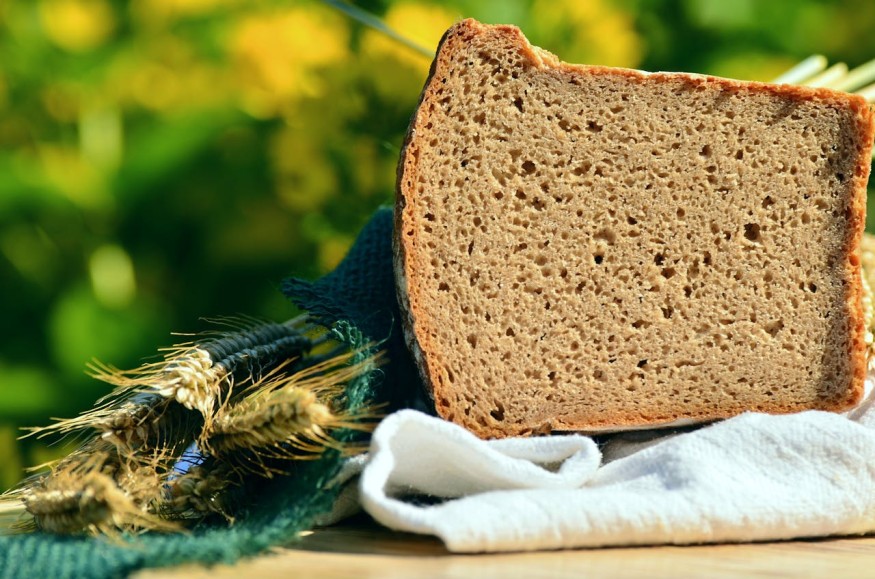
6. Whole Grains for Steady Energy and Microbiome Support
Whole grains contain the bran and germ, which provide fiber and nutrients absent in refined grains. This fiber acts as fuel for beneficial bacteria.
Nutritious options include:
- Oats
- Quinoa
- Brown rice
- Barley
Oats are particularly known for beta glucan, a type of soluble fiber linked to heart and digestive benefits. Swapping refined grains for whole varieties is a practical way to strengthen good gut health without drastic dietary changes.
7. Nuts and Seeds for Fiber and Healthy Fats
Nuts and seeds provide fiber, healthy fats, and plant compounds that contribute to microbiome diversity. They also offer convenient snacking options.
Examples include:
- Chia seeds
- Flaxseeds
- Almonds
- Walnuts
Chia and flaxseeds absorb liquid and form a gel like texture, which may support digestive regularity. A tablespoon added to oatmeal, yogurt, or smoothies can boost daily fiber intake in a simple way.
Simple Ways to Add These Healthy Food Options to Daily Meals
Building meals around gut supportive foods does not require complex planning. Small adjustments often make the biggest difference.
Consider these ideas:
- Add berries and chia seeds to morning oats
- Replace white rice with quinoa or brown rice
- Include a side of sautéed greens at dinner
- Top salads with chickpeas or lentils
- Serve grilled salmon alongside roasted vegetables
Consistency is more important than perfection. Rotating different fiber rich and probiotic foods throughout the week helps encourage microbial diversity, a key factor in maintaining good gut health.
Building a Gut Friendly Plate for Everyday Health
Supporting the digestive system begins with everyday food choices rather than restrictive plans. Fermented foods introduce beneficial bacteria, fiber rich plants feed them, and omega 3 rich fish help maintain a healthy gut lining.
By prioritizing diverse, whole ingredient healthy food options, individuals can create a dietary pattern that supports digestion, immunity, and overall well being. Even small additions such as a serving of berries or a spoonful of sauerkraut can contribute to lasting improvements in good gut health over time.
Frequently Asked Questions
1. What are the best healthy food options for good gut health?
Fermented foods, leafy greens, legumes, whole grains, berries, fatty fish, nuts, and seeds are widely recognized for supporting microbial balance and digestive function.
2. How long does it take to improve gut health with diet?
Some people notice changes in digestion within a few weeks. Long term benefits typically require consistent dietary habits over several months.
3. Can improving gut health boost immunity?
The gut houses a large portion of the immune system. A balanced microbiome may help support immune responses and reduce inflammation.
4. How much fiber should someone eat daily for good gut health?
General guidelines suggest around 25 grams per day for women and 38 grams per day for men, though individual needs vary based on age and activity level.
© copyright 2024 Food World News, a property of HNGN Inc. All rights reserved. Use of this website constitutes acceptance of our terms and conditions of use and privacy policy.


