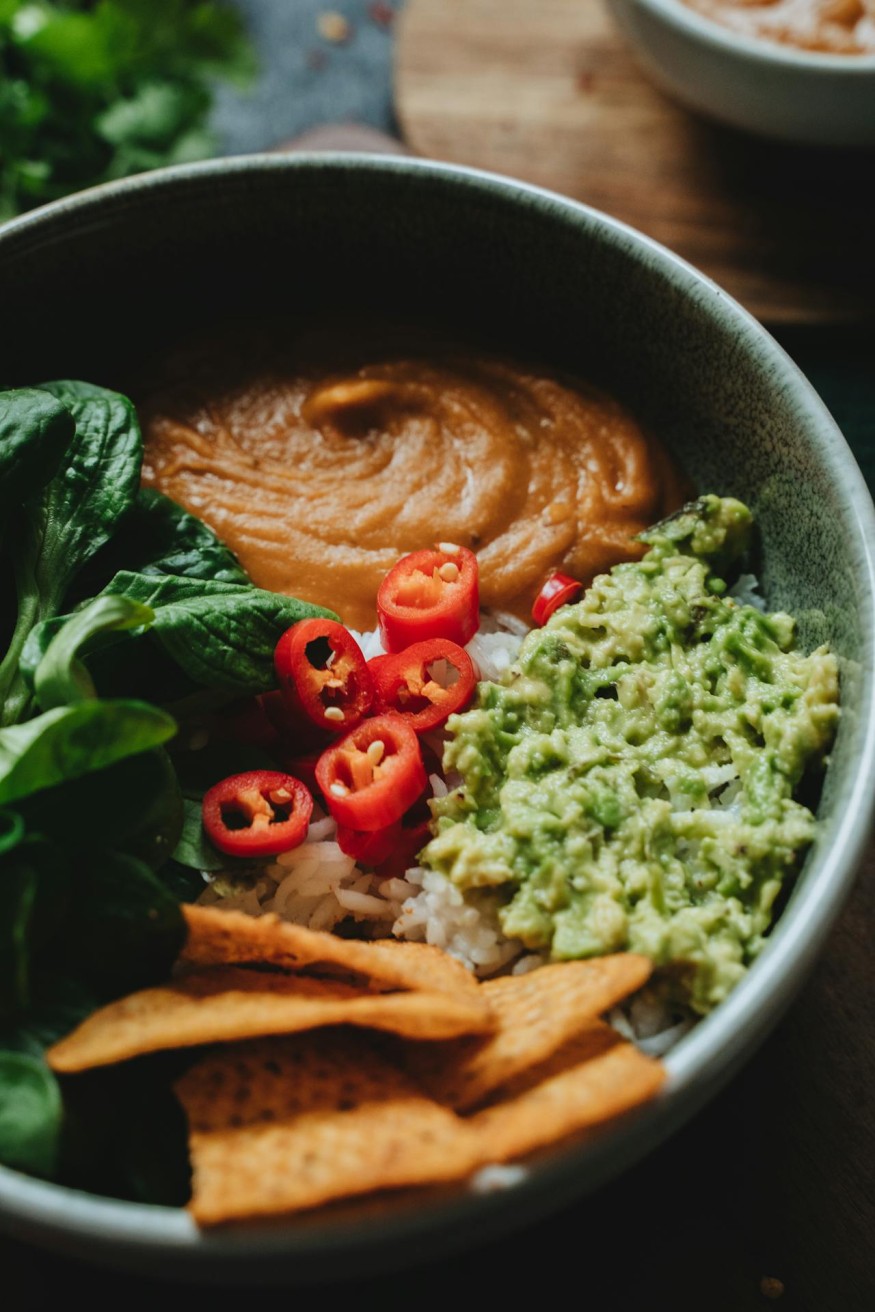
Interest in plant forward eating continues to grow, whether for health, budget, or environmental reasons. One common concern remains protein. Many people still associate protein primarily with meat, yet a wide range of plant based protein sources and dairy options provide impressive amounts of this essential nutrient.
Protein supports muscle repair, immune function, hormone production, and overall satiety. With thoughtful choices, high protein vegetarian foods can easily meet daily needs. Below are five non meat protein foods, along with simple recipes that fit naturally into everyday meals.
Why Protein Matters in a Meat Free Diet
Protein is made up of amino acids, some of which the body cannot produce on its own. These are called essential amino acids and must come from food. While animal proteins contain all essential amino acids, several plant based protein sources also offer complete profiles or can be paired strategically.
For adults, general recommendations suggest roughly 0.8 grams of protein per kilogram of body weight, though needs vary based on activity level and age. A balanced vegetarian pattern that includes legumes, soy products, whole grains, nuts, seeds, and dairy can comfortably meet these requirements.
1. Lentils: Affordable and Nutrient Dense
Lentils are among the most accessible high protein vegetarian foods. One cooked cup contains around 18 grams of protein, along with fiber and iron.
Beyond protein, lentils contribute to digestive health and help promote fullness. They also adapt easily to soups, salads, and grain bowls.
Easy Recipe: One Pot Garlic Lentil Stew
Ingredients
- 1 cup dried lentils, rinsed
- 1 small onion, chopped
- 2 cloves garlic, minced
- 1 carrot, diced
- 1 teaspoon cumin
- 3 cups low sodium vegetable broth
- 1 tablespoon olive oil
Instructions
- Heat olive oil in a pot and sauté onion, garlic, and carrot until softened.
- Stir in cumin and cook briefly to release aroma.
- Add lentils and broth.
- Simmer for 20 to 25 minutes until lentils are tender.
This simple stew demonstrates how non meat protein foods can form the foundation of a filling meal.
2. Greek Yogurt: Creamy and Protein Rich
Greek yogurt stands out for its concentrated protein content, often providing 15 to 20 grams per serving. It is also considered a complete protein and contains probiotics that support gut health.
Because of its mild flavor, Greek yogurt works in both sweet and savory dishes.
Easy Recipe: High Protein Yogurt Breakfast Bowl
Base
- 1 cup plain Greek yogurt
Toppings
- Fresh berries
- Chopped nuts or seeds
- A drizzle of honey
- A spoonful of nut butter
For a savory option, add sliced cucumber, cherry tomatoes, olive oil, and a pinch of black pepper. This flexible meal highlights how high protein vegetarian foods can fit seamlessly into busy mornings.
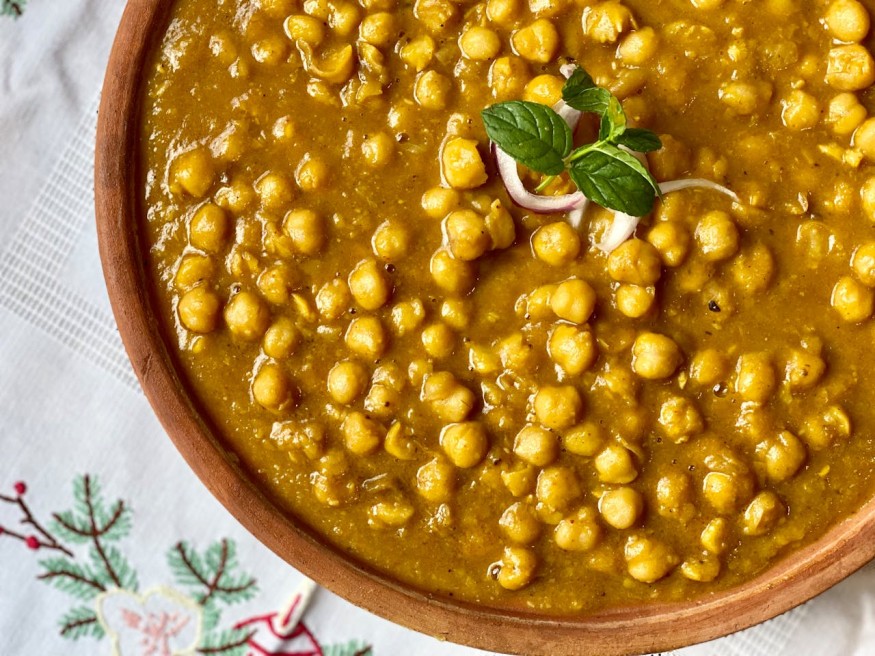
3. Chickpeas: Versatile and Satisfying
Chickpeas provide about 14 to 15 grams of protein per cooked cup. They are one of the most popular plant based protein sources thanks to their versatility.
They can be blended into spreads, added to curries, or roasted for snacks. Their combination of protein and fiber makes them especially filling.
Easy Recipe: Crispy Roasted Chickpeas
Ingredients
- 1 can chickpeas, drained and rinsed
- 1 tablespoon olive oil
- 1 teaspoon smoked paprika
- 1 teaspoon garlic powder
Instructions
- Pat chickpeas dry thoroughly.
- Toss with olive oil and spices.
- Roast at 400 degrees Fahrenheit for 25 to 30 minutes until crisp.
These can top salads, soups, or grain bowls, adding crunch along with protein.
4. Tofu: A Complete Soy Protein
Tofu is made from soybeans and offers around 20 grams of protein per cup. As a complete protein, it contains all essential amino acids, making it a valuable addition to non meat protein foods.
Its mild flavor allows it to absorb marinades and seasonings effectively.
Easy Recipe: Simple Pan Seared Tofu Stir Fry
Ingredients
- 1 block firm tofu, pressed and cubed
- 1 tablespoon sesame oil
- 1 bell pepper, sliced
- 1 cup broccoli florets
- 1 tablespoon low sodium soy sauce
Instructions
- Heat sesame oil in a skillet.
- Cook tofu cubes until golden on each side.
- Add vegetables and stir fry until tender.
- Stir in soy sauce and cook briefly.
Serve over brown rice or quinoa for a balanced meal rich in plant based protein sources.
5. Quinoa: A Grain With Complete Protein
Quinoa provides about 8 grams of protein per cooked cup and is one of the few grains considered a complete protein. It also contains fiber, magnesium, and iron.
Because of its neutral flavor, quinoa works as a base for both warm and cold dishes.
Easy Recipe: Quinoa Veggie Power Bowl
Base
- 1 cup cooked quinoa
Add
- Roasted sweet potatoes
- Steamed spinach
- Sliced avocado
- A squeeze of lemon juice
This bowl shows how high protein vegetarian foods can come together in simple combinations that support balanced nutrition.
Are Plant Based Proteins as Effective as Meat?
Many people ask whether plant based protein sources are as effective as animal protein. Research suggests that a varied vegetarian pattern can provide adequate essential amino acids when different sources are consumed throughout the day.
Combining legumes with grains, such as lentils with rice or chickpeas with whole wheat bread, enhances amino acid balance. Soy products and quinoa already offer complete profiles on their own.
Building a Daily Pattern With Non Meat Protein Foods
Incorporating high protein vegetarian foods does not require dramatic dietary shifts. Small substitutions can make a noticeable difference.
Examples include:
- Adding lentils to pasta sauce
- Swapping meat with tofu in stir fry
- Using Greek yogurt instead of sour cream
- Including chickpeas in salads
- Choosing quinoa as a grain base
Over time, these habits increase overall protein intake while expanding flavor variety.
A Practical Approach to Protein Without Meat
Protein needs can be met through diverse plant based protein sources and dairy options. Lentils, Greek yogurt, chickpeas, tofu, and quinoa demonstrate that non meat protein foods offer both nutrition and versatility. By incorporating simple recipes and combining complementary ingredients, it becomes easier to maintain a balanced eating pattern that supports daily health goals.
Frequently Asked Questions
1. What are the highest protein vegetarian foods?
Soy products such as tofu and tempeh, lentils, Greek yogurt, and certain legumes rank among the highest protein vegetarian foods per serving.
2. Can plant based protein sources build muscle?
Yes. When total protein intake is adequate and paired with resistance training, plant based protein sources can support muscle maintenance and growth.
3. How can someone increase protein without eating meat?
Adding non meat protein foods such as beans, tofu, Greek yogurt, nuts, seeds, and quinoa to meals and snacks helps raise daily protein intake.
4. Do vegetarians need to combine proteins at every meal?
Current evidence suggests that combining different protein sources throughout the day is sufficient. They do not need to be paired at the same meal to meet essential amino acid needs.
© copyright 2024 Food World News, a property of HNGN Inc. All rights reserved. Use of this website constitutes acceptance of our terms and conditions of use and privacy policy.


