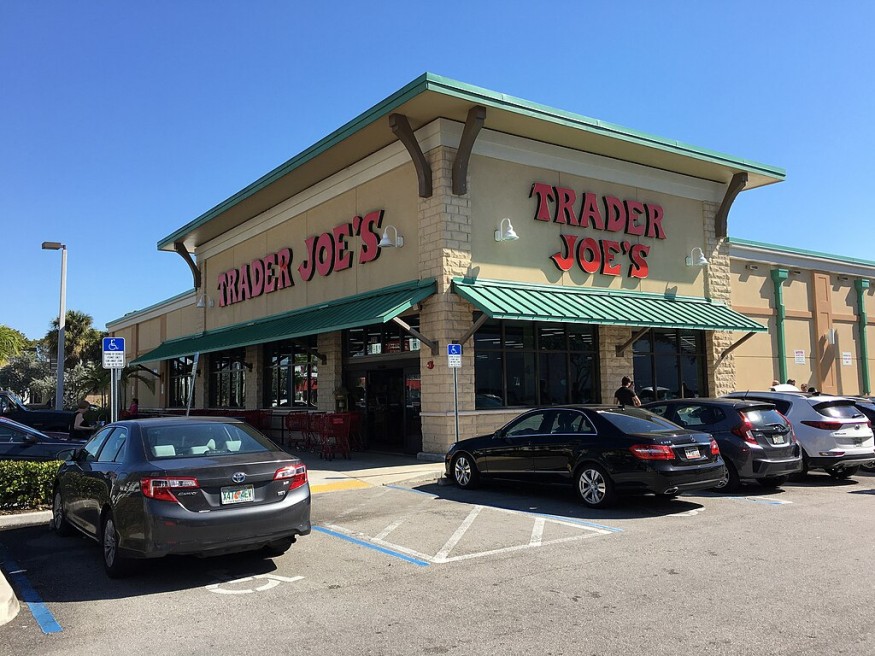
The latest food recalls have taken a serious turn as Trader Joe's expands a nationwide recall involving millions of pounds of frozen meals. What began as a limited safety issue has grown into a large scale action tied to potential glass contamination, raising fresh questions about how food moves from factory to freezer.
According to recent reporting, the recall now covers nearly 10 million pounds of frozen food products distributed across most of the United States. This development places it among the most significant food safety alerts in recent months and highlights why staying informed about the latest food recalls is essential for everyday consumers.
What Triggered the Recall
The recall stems from reports of foreign material found in frozen meals, specifically glass fragments. The products were manufactured by Ajinomoto Foods North America, a supplier connected to multiple frozen food brands.
Investigations revealed that small pieces of glass, some measuring up to a few centimeters, were discovered in items like vegetable fried rice. The issue was first identified through consumer complaints, which prompted further inspection and a broader recall.
Authorities classified the situation as a Class II recall, meaning exposure could cause temporary or medically reversible health effects. While no injuries have been confirmed, the potential risk remains serious enough to warrant immediate action.
Read more: Rodent Hair Found in Aldi's Spinach Bites: Latest Food Recalls and Food Safety Tips to Know
Which Products Are Affected
The recall primarily targets popular frozen items sold under the Trader Joe's label. Among the products removed from shelves are:
- Vegetable Fried Rice
- Chicken Fried Rice
- Japanese Style Fried Rice
- Chicken Shu Mai
These products were distributed widely, reaching stores in more than 40 states. Best by dates extend into 2026 and beyond, meaning some items may still be sitting unnoticed in household freezers.
The recall also connects to a broader supply chain issue involving other brands and products, expanding the overall scope of affected food well beyond a single retailer.
Why Glass Contamination Is a Serious Food Safety Issue
Physical contamination in food, such as glass, is considered one of the most dangerous types of food safety risks. Unlike bacterial contamination, it cannot be neutralized through cooking.
Glass fragments can lead to injuries including cuts to the mouth, throat, or digestive tract if consumed. Even small particles pose a hazard because they are difficult to detect once mixed into prepared meals.
Food recalls involving foreign objects have been increasing over time, reflecting growing scrutiny of manufacturing processes and supply chains. This case highlights how a single ingredient issue can affect millions of pounds of food across multiple brands.

How the Recall Expanded So Quickly
The timeline of this recall shows how rapidly a food safety issue can escalate. It began in February with a smaller recall of chicken fried rice products. By early March, additional items were added, and by late March, the total expanded to nearly 10 million pounds.
The contamination has been linked to a vegetable ingredient used in production, with carrots identified as a possible source. Because the ingredient was used across multiple products, the recall spread across different food categories and retailers.
This chain reaction demonstrates how interconnected modern food systems have become, where one supplier issue can affect a wide range of grocery items.
What This Means for Consumers Following Latest Food Recalls
Large scale recalls like this one reflect a broader pattern in the food industry. As supply chains grow more complex, recalls can involve larger quantities and multiple brands at once.
For consumers, this means greater responsibility to stay updated. Checking recall notices is no longer optional, especially for frozen and packaged foods that may remain stored for long periods.
It also reinforces the importance of traceability. Packaging details such as lot numbers and best by dates are critical tools that help identify whether a product is safe to consume.
Food Safety Tips Every Household Should Follow
In light of the latest food recalls, simple habits can significantly reduce risk at home.
Smart Habits to Keep Your Kitchen Safe
- Check recall alerts regularly through official food safety websites
- Inspect frozen meals before cooking, especially for unusual textures or appearance
- Keep original packaging until the product is used
- Avoid consuming any product that appears damaged or contaminated
What to Do If You Have a Recalled Product
- Do not eat the product under any circumstances
- Return it to the store for a refund or discard it safely
- Monitor for any symptoms if accidental consumption occurs
- Contact a healthcare provider if there are concerns
These food safety tips are essential in preventing avoidable health risks and ensuring that recalled items do not make it to the table.
What Retailers and Manufacturers Are Doing Next
Trader Joe's has already removed the affected products from store shelves and is working with suppliers and regulators to address the issue. The manufacturer involved is conducting further investigations to identify the exact source of contamination and prevent future incidents.
Regulatory agencies continue to monitor the situation and provide updates as needed. Recalls of this scale often lead to stricter quality control measures and more rigorous inspections across the supply chain.
Staying Ahead of Food Safety Risks in a Changing Grocery Landscape
The expansion of this recall serves as a reminder that food safety is a shared responsibility between producers, retailers, and consumers. While companies act to remove unsafe products, individuals play a key role in staying informed and responding quickly.
Keeping up with the latest food recalls and applying practical food safety tips can make a meaningful difference. In a time when frozen and ready to eat meals are staples in many households, awareness remains one of the most effective tools for protecting health.
Read more: Cottage Cheese Pulled in 24 States: FDA Recall Joins Latest Food Recalls Over Food Safety Concerns
© copyright 2024 Food World News, a property of HNGN Inc. All rights reserved. Use of this website constitutes acceptance of our terms and conditions of use and privacy policy.


