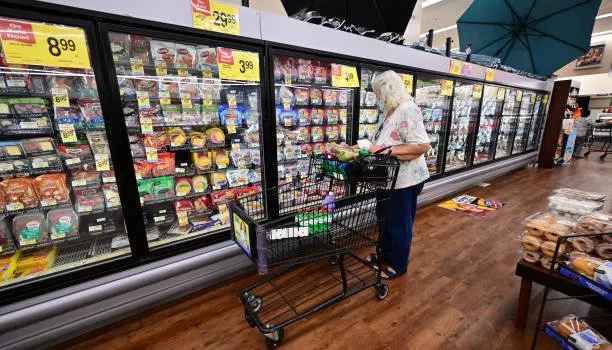
The CDC and FDA are warning consumers — especially pregnant women, seniors, and anyone with a weakened immune system — not to eat recalled requeson cheese linked to a Listeria outbreak that has killed 1 person, hospitalized 7, and sickened 8 across Maryland, New York, and Virginia. The product is made by Clover Hill Dairy LLC of Mechanicsville, Maryland, whose operating license has since been suspended by the state.
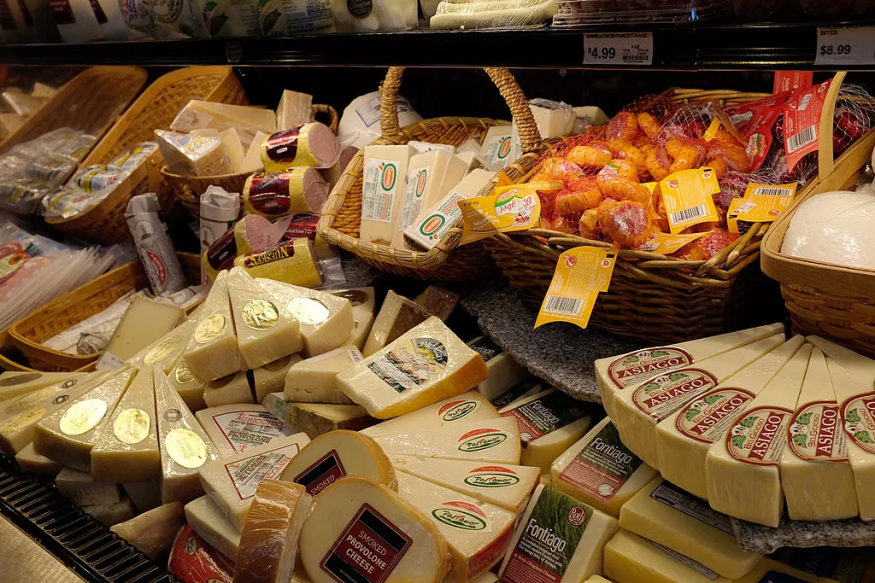
Requeson is a soft Mexican cheese similar to ricotta, commonly sold loose or repacked at local markets and Latino grocery stores. Because it's often relabeled by distributors, the product may not say "Clover Hill Dairy" on the packaging — the number to look for is Manufacturer Permit #24-128.
Quick Check: What to Look For
| Detail | Information |
|---|---|
| Product | Clover Hill Dairy requeson / soft ricotta (all varieties) |
| How to identify | Manufacturer Permit #24-128 on the label |
| Flavors | Plain, jalapeño, and possibly others |
| Confirmed states | Maryland, New York, Virginia — may have reached additional states |
| Highest risk groups | Pregnant women, adults 65+, immunocompromised individuals |
| Action | Do not eat — discard immediately |
An Outbreak Three Years in the Making
Cases in this outbreak date back to March 2023. For more than three years, people were getting sick — and no one had connected the illnesses to a single source. It wasn't until May 2026, when two members of the same family in Brentwood, New York fell ill after eating requeson from the same local retailer, that investigators finally made the link. Testing confirmed the Listeria strain matched. Investigators traced the cheese to Clover Hill Dairy, the recall followed on June 3, and Maryland suspended the dairy's operating license shortly after.
The outbreak stretches back more than three years before investigators finally identified a common source.
The FDA has noted that at this time there is not enough evidence to determine whether the recalled products explain the entire outbreak — meaning additional sources may still be under investigation.
Why New York Residents Should Pay Attention
The investigation that finally cracked this case began in New York. Two members of the same family in Brentwood, NY became ill in May 2026 after purchasing requeson from a local retailer. Because requeson is frequently sold through small neighborhood markets and repackaged by local retailers, consumers may not realize the product originated from Clover Hill Dairy. That means some New York households may still have the recalled cheese in their refrigerators without recognizing it.
Could the Cheese Still Be in Your Home?
Unlike many packaged foods, requeson is frequently sold in deli containers, repackaged by retailers, or transferred into household storage containers after purchase. Because the recall covers all varieties produced by Clover Hill Dairy, some consumers may no longer have the original packaging available to verify the source.
If you have any soft white cheese — particularly something resembling ricotta — that you purchased from a small market, farmers market, or neighborhood grocery in Maryland, New York, or Virginia, and you cannot confirm its origin, the FDA recommends discarding it as a precaution.
Who Is Most at Risk
Listeria is particularly dangerous for pregnant women, adults 65 and older, and people with weakened immune systems. For pregnant women, infection may cause few noticeable symptoms but can lead to miscarriage, stillbirth, or life-threatening illness in the newborn. The FDA advises anyone in these groups to avoid all queso fresco-type soft cheeses until the investigation concludes.
Symptoms to Watch For
- Fever, muscle aches, nausea, tiredness, vomiting, diarrhea
- Severe cases: headache, stiff neck, confusion, loss of balance
- Symptoms may appear from the same day up to 10 weeks after exposure
What To Do If You Have It
Action steps:
Step 1: Check soft cheese in your fridge or freezer for Manufacturer Permit #24-128
Step 2: Discard immediately — do not taste, even if it looks and smells fine
Step 3: Clean and sanitize any surfaces or containers it may have touched — Listeria survives in refrigerator temperatures and can spread to other foods
Step 4: If you have symptoms, or are pregnant, elderly, or immunocompromised and recently ate requeson, contact your healthcare provider right away
Frequently Asked Questions
How do I know if my cheese is from Clover Hill Dairy?
Look for Manufacturer Permit #24-128 on the label. The product may appear under a different brand name if repacked by a local retailer — the permit number is more reliable than the brand name.
I bought requeson in New York. Should I be worried?
If you purchased requeson in New York — particularly from a small retailer, farmers market, or store that sells loose or repacked cheese — check for Permit #24-128. If you can't confirm the source, the FDA recommends discarding it as a precaution.
What if I already ate it and feel fine?
Listeria symptoms can take up to 10 weeks to appear. If you are pregnant, over 65, or immunocompromised and recently consumed requeson, the FDA recommends contacting your healthcare provider even without current symptoms.
The FDA's investigation is ongoing and additional products may be impacted. For updates, visit the FDA outbreak page or the CDC advisory at cdc.gov/listeria.
Sources: FDA.gov · CDC.gov · Maryland Department of Health · New York State Department of Health · Clover Hill Dairy LLC recall notice
© copyright 2024 Food World News, a property of HNGN Inc. All rights reserved. Use of this website constitutes acceptance of our terms and conditions of use and privacy policy.


