
There is a wide gap between a packet of instant noodles and a proper bowl of Japanese ramen, and most of it comes down to the broth. A well-made Japanese ramen recipe is built from layers: a deeply flavored stock, a concentrated seasoning called tare, springy noodles cooked at the right moment, and toppings that each add something distinct. It takes more effort than opening a packet, but far less than most people assume.
This guide covers everything needed to make homemade ramen from scratch, including shortcuts that do not sacrifice the result.
The Four Styles of Japanese Ramen Worth Knowing
Before starting any Japanese ramen recipe, it helps to know which style is being made. Each one has a distinct broth base that shapes every other decision in the bowl.
Shoyu
Soy sauce-based. Clear, savory broth with over a century of history. The most beginner-friendly style.
Miso
Fermented soybean paste base. Rich, earthy, and deeply umami. Originates from Hokkaido.
Shio
Salt-based. The lightest and most delicate of the four styles, suited to refined toppings.
Tonkotsu
Pork bone broth. Creamy, opaque, and intensely rich. Requires the longest cook time.
For a first attempt at homemade ramen, shoyu is the most forgiving starting point. The broth is lighter, the ingredients are easy to source, and the margin for error is wider than with tonkotsu.
What Ingredients Does a Japanese Ramen Recipe Require?
A proper homemade ramen bowl has four distinct components, each built separately and combined at the end. Understanding what each one does makes the whole process easier to manage.
The broth
Homemade chicken stock produces the best result for shoyu and miso styles. A good-quality store-bought stock works as a practical substitute on weeknights. For tonkotsu, pork bones are non-negotiable. The broth provides the liquid base and the body of the bowl.
The tare
Tare is the concentrated seasoning that gives each ramen style its identity. It is made separately and stirred into the hot broth just before serving. For shoyu ramen, tare is built from quality soy sauce, mirin, and cooking sake. For miso ramen, fermented paste goes in alongside sake and a touch of sugar to balance the salt. The tare is what separates a homemade ramen bowl that tastes like a restaurant from one that does not.
The noodles
Fresh ramen noodles are the best option when available. Dried wavy noodles with medium thickness are a reliable alternative for shoyu and miso styles. Straight noodles hold up better in heavier, richer broths. Instant noodles overcook quickly and turn soft in the hot soup, making them a last resort for anyone aiming for an authentic result.
Aromatics and fat
Garlic, ginger, and sesame oil build the aromatic backbone of the broth. Sake does double duty: it removes any gamey smell from the protein while adding subtle sweetness and depth. Dry sherry or Chinese rice wine both work as substitutes if sake is unavailable.
How to Make Homemade Ramen Broth From Scratch
The broth is where most of the time goes in a Japanese ramen recipe, and also where most of the flavor is built. The good news is that it stores well and can be made days ahead.
- Start with a quality stock base: chicken carcasses for shoyu and miso, pork bones for tonkotsu
- Skim frequently during the first 20 minutes of simmering to keep the broth clear and clean-tasting
- Build the tare separately and combine with the hot broth in each individual bowl at the point of serving
- For miso tare, add sugar one small amount at a time, tasting as you go, to offset the saltiness of the paste
- A pressure cooker reduces tonkotsu broth time from a full day down to around three hours
Chashu Pork: The Topping That Defines the Bowl
Chashu is braised pork belly, and it is one of the most iconic elements of any Japanese ramen recipe. The pork belly is rolled tightly, tied, and braised low and slow in a mixture of soy sauce, mirin, sake, and sugar until it is completely tender. The key to clean, even slices is chilling the chashu fully before cutting. Once placed in the serving bowl, the hot broth does the work of warming it through.
Ramen Eggs and the Best Toppings to Add
Ajitsuke tamago, the marinated soft-boiled egg, is as important as the broth in many ramen traditions. The egg is soft-boiled to a jammy center, cooled in an ice bath, and marinated overnight in soy sauce and mirin. The result is a deeply savory, slightly sweet egg that adds richness to every bite.
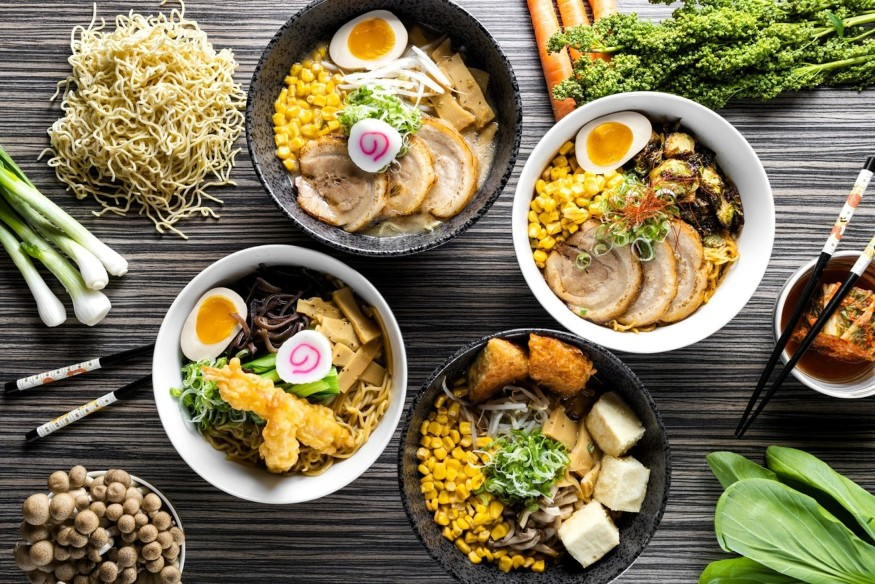
Beyond the egg, a well-assembled homemade ramen bowl pulls from several topping categories:
- Aromatics: sliced green onions, julienned long green onions (shiraga negi), and toasted sesame seeds
- Vegetables: blanched bean sprouts, bok choy, corn kernels, and nori sheets
- Extras: menma (seasoned bamboo shoots), naruto fish cake, and wakame seaweed
- Condiments: Japanese chili oil (la-yu), pickled red ginger, and a pinch of white pepper
How to Avoid Soggy Noodles in Homemade Ramen
Timing is the single most important factor in keeping ramen noodles at the right texture. Noodles continue cooking in hot broth after serving, so they should always be cooked separately and added to the bowl at the very last moment. The method that works consistently: ladle the hot broth and tare into each bowl first, arrange the toppings, and then add the freshly drained noodles right before the bowl goes to the table.
The Homemade Ramen Recipe Worth Making on a Weekend
A proper Japanese ramen recipe rewards planning more than it rewards speed. When the broth, chashu, and eggs are prepped a day ahead, the final assembly takes minutes rather than hours. The components are flexible enough to suit different styles and dietary preferences, and the result is a bowl that is genuinely difficult to achieve with shortcuts. For anyone who has always assumed restaurant-quality homemade ramen was out of reach, the technique above is proof that it is not.
Frequently Asked Questions
1. How long does a Japanese ramen recipe take from scratch?
A shoyu or chicken-based homemade ramen can be ready in 30 to 45 minutes when using quality store-bought stock. A fully from-scratch version with homemade broth, chashu, and marinated eggs takes several hours spread across two days.
2. What is the difference between tare and broth in ramen?
Broth provides the liquid base and the body of the bowl. Tare is the concentrated seasoning stirred into the hot broth just before serving. The tare is what gives each ramen style its distinct flavor identity, and making it separately from the broth is standard practice in both home and restaurant kitchens.
3. Can homemade ramen be made vegetarian?
Yes. Miso and shio styles adapt most naturally to plant-based cooking. A vegetarian homemade ramen uses vegetable stock in place of chicken or pork, with tofu, mushrooms, and extra vegetables replacing the standard protein toppings. The tare stays largely the same, adjusted for the lighter base.
© copyright 2024 Food World News, a property of HNGN Inc. All rights reserved. Use of this website constitutes acceptance of our terms and conditions of use and privacy policy.


