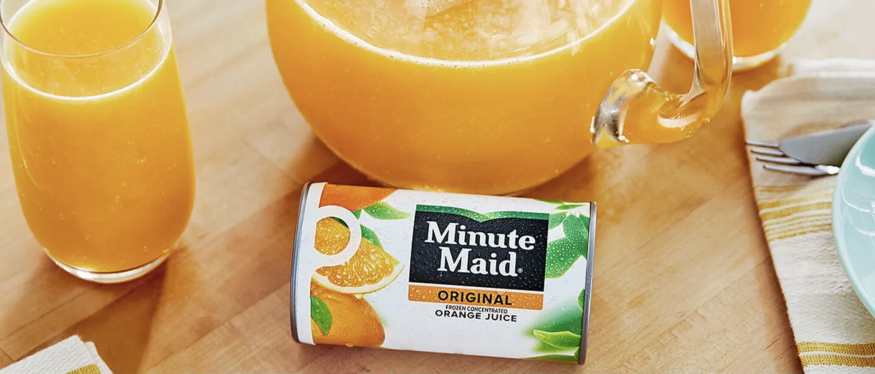
For generations of Americans, mornings started the same way. Someone would pull a small cylindrical can from the freezer, drop a frozen cylinder of concentrate into a pitcher, add three cans of water, stir, and pour. That ritual, humble and oddly satisfying, belonged to Minute Maid. Now, after 80 years on freezer shelves, that familiar routine is coming to an end. Coca-Cola has confirmed it is discontinuing Minute Maid frozen juice concentrates in the United States and Canada, closing a chapter in beverage industry news that touches something deeper than product strategy.
What Is the Drink Coca-Cola Is Discontinuing?
Minute Maid frozen juice concentrates include five flavors: orange juice, lemonade, limeade, pink lemonade, and raspberry lemonade. The orange juice variety is the original, the one that started everything. Back in 1946, the company then known as Vacuum Foods Corporation shipped the first frozen concentrated orange juice in the United States under the Minute Maid name. The idea was straightforward but transformative. By removing most of the water from fresh orange juice and freezing the result, the company made it possible for families across the country to enjoy orange juice year-round, long before refrigerated juice cases were a standard fixture in grocery stores.
Coca-Cola acquired Minute Maid in 1960 and spent the following decades expanding the brand. Ready-to-drink refrigerated orange juice arrived in 1973. Lemonade and fruit punch joined the lineup in the 1980s. Through all of that growth, the frozen cans stayed on shelves, quietly outlasting trend after trend. In 2012, the National Museum of American History added a Minute Maid concentrated orange juice can to its permanent collection, a small but telling sign of how thoroughly the product had worked its way into American food culture.
Read more: Molson Coors Buys Monaco Cocktails and the RTD Beverage Trend Just Became a Takeover Story
Why Is Coca-Cola Discontinuing Minute Maid Frozen Concentrate?
The answer, in short, is that consumers moved on before the product did. A Coca-Cola spokesperson told multiple outlets in early 2026 that the company is exiting the frozen can category in response to shifting consumer preferences, adding that the juice category is growing strongly and the company wants to focus on formats that better match what shoppers want today.
What shoppers want, increasingly, is convenience they do not have to work for. Ready-to-drink refrigerated juice requires no thawing, no mixing, no waiting. That format has been pulling customers away from frozen concentrate for years. At the same time, the broader beverage market has crowded with alternatives. Energy drinks, protein smoothies, and functional beverages have eaten into the space that juice once occupied without much competition. Skyrocketing orange prices tied to poor harvests in Florida and Brazil have further pressured legacy juice brands, making frozen concentrate harder to justify for cost-conscious shoppers who might simply skip juice altogether.
The sales data tells the story plainly. U.S. frozen beverage sales fell nearly 8% in the 52 weeks ending January 24, 2026, according to market research firm NielsenIQ. That kind of sustained decline does not reverse on its own, and Coca-Cola is not waiting around to find out if it might.
When Will Minute Maid Frozen Concentrate Disappear From Shelves?
Coca-Cola announced the discontinuation in early 2026, with frozen products set to exit the market in the first quarter of the year. Inventory will remain available in stores while supplies last, which means some locations may still carry the cans for a period after the official cutoff. Once supplies are gone, they will not be restocked. Shoppers looking to hold onto a few cans before they vanish should not assume they have much time.
How Did Minute Maid Frozen Juice Change American Kitchens?
It is difficult to overstate what frozen concentrate meant for the average American household in the postwar era. Before Minute Maid, fresh orange juice was a seasonal and regional luxury. After it, orange juice became a daily breakfast staple from coast to coast. The brand did not just sell a product; it helped reshape what Americans expected to find on the breakfast table.
Beyond orange juice, the cans became a go-to ingredient for home cooks in ways that had nothing to do with morning routines. Holiday punches, lemonade pitchers for summer gatherings, glazes for baked ham, smoothie bases on a budget. The frozen concentrate was versatile in the way that pantry staples always are, useful across meals and occasions without demanding attention. Fans developed their own habits around it. Some diluted the concentrate with less water than the label recommended, chasing a stronger flavor. Others ate the frozen slush directly from the can, skipping the pitcher entirely.
The discontinuation is expected to hit lower-income households harder than others. Frozen concentrate has long been one of the most affordable ways to buy juice, and it has been a standard option for families enrolled in the federal WIC program, which provides juice allowances for pregnant women, infants, and young children. As a piece of discontinued drinks news, this one carries real practical stakes, not just nostalgia.
Who Will Still Sell Frozen Juice Concentrate?
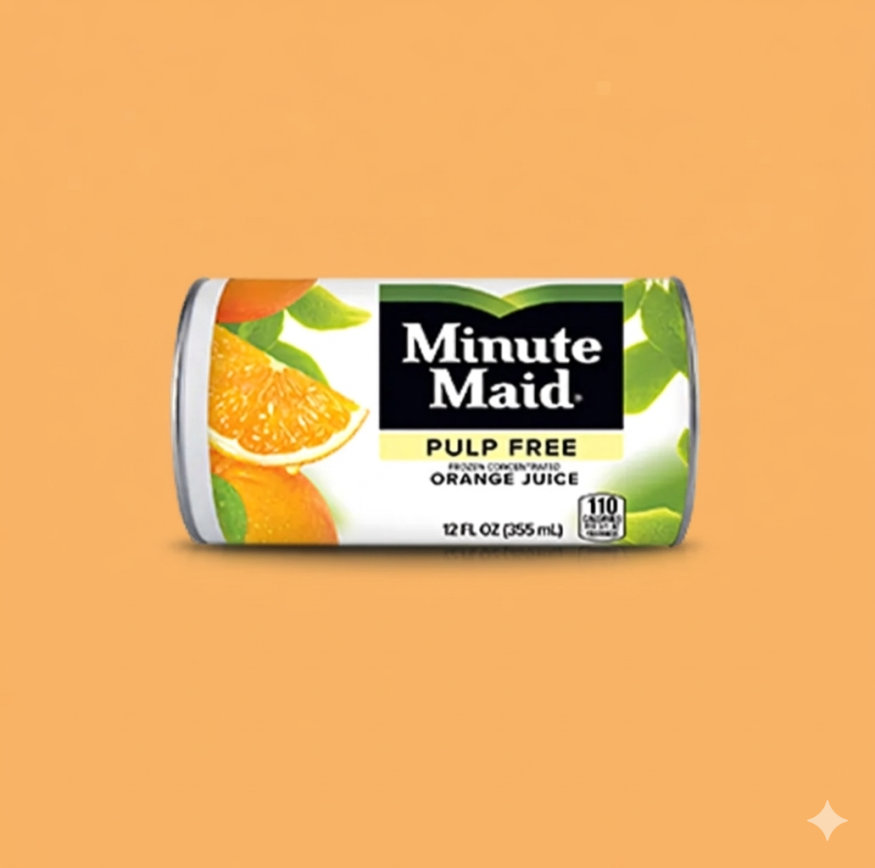
Tropicana, a longtime rival to Minute Maid, still carries frozen juice concentrate in U.S. grocery stores, along with other brands and store-label options. The category is shrinking, but it has not disappeared. For shoppers who rely on frozen concentrate for affordability or cooking purposes, alternatives remain available, at least for now.
What Other Drinks Has Coca-Cola Cut From Its Lineup?
Minute Maid frozen concentrate is not the first Coca-Cola product to exit the market as the company reshapes its portfolio. TaB, the original diet cola introduced in 1963, was discontinued in 2020 after nearly six decades. Odwalla, the cold-pressed juice and smoothie brand Coca-Cola acquired in 2001, was shut down in 2020 as well. Zico coconut water and Coca-Cola Spiced, which lasted only about seven months after its 2024 launch, are among the more recent cuts. The company has been deliberate about trimming underperforming lines and redirecting investment toward categories with stronger growth potential.
What the End of a Freezer Aisle Icon Tells Us About the Beverage Industry
The discontinuation of Minute Maid frozen concentrate is beverage industry news, but it reads like something more personal for anyone who grew up with those little cans in the house. Products do not simply disappear because they stopped working. They disappear because the world around them changed and the companies that own them decided to follow it somewhere else. Coca-Cola is betting on refrigerated juice, functional drinks, and newer formats. The freezer aisle, at least for frozen juice, is no longer part of that bet.
© copyright 2024 Food World News, a property of HNGN Inc. All rights reserved. Use of this website constitutes acceptance of our terms and conditions of use and privacy policy.


