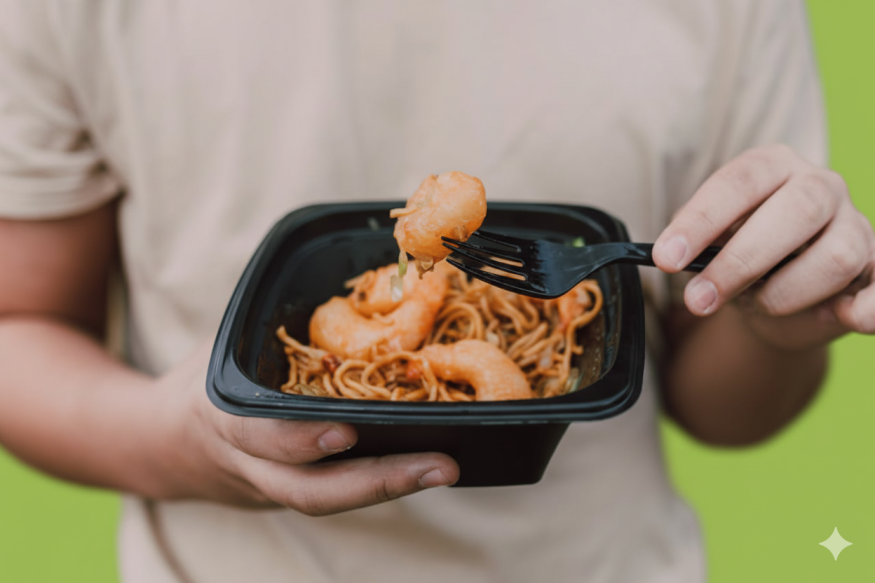
Food delivery has become part of everyday life. From weeknight dinners to office lunches, meals often arrive in sturdy black plastic containers designed to retain heat and prevent spills. While they are convenient, many consumers are asking whether these containers meet proper food safety measures and whether they affect freshness or health.
Experts in food science and public health point out that not all plastic is created equal. Understanding what these containers are made of and how they interact with heat can help consumers make safer choices and learn how to keep food fresh after delivery.
What Are Black Plastic Takeout Containers Made Of?
Most black takeout containers are made from polypropylene, often labeled as plastic number 5. This material is lightweight, durable, and resistant to moisture. It is commonly approved for food contact.
However, concerns arise when recycled plastics are used. Black plastic is difficult for recycling facilities to detect with optical scanners. As a result, some black containers may be made from mixed recycled materials. If not carefully regulated, this could introduce contaminants.
Food safety authorities require food grade plastics to meet specific migration limits. These standards are part of broader food safety measures designed to limit chemical transfer into food.
Read more: Why Steak 'n Shake Is Banning Microwaves to Lead Improving Food Quality Measures in Fast Food Trends
Is It Safe to Put Hot Food in Plastic Containers?
Heat is one of the biggest factors in determining safety. When food is very hot, chemicals in plastic may migrate into the meal in small amounts. Research shows that migration increases with:
- High temperatures
- Fatty or oily foods
- Acidic dishes such as tomato based sauces
- Long storage times
Polypropylene is generally considered stable at high temperatures compared to other plastics. Still, experts recommend minimizing prolonged exposure to heat inside any plastic container.
A simple habit that supports both safety and freshness is transferring hot food into a glass or ceramic dish once it arrives home. This reduces heat exposure and helps keep food fresh during reheating.
Are Black Plastic Containers Microwave Safe?
Many black containers are labeled microwave safe, but labeling matters. A microwave symbol on the bottom indicates the container has been tested for heat tolerance.
Even when labeled safe, experts suggest a cautious approach.
Best practices when reheating:
- Remove the lid to prevent steam buildup
- Avoid overheating beyond the recommended time
- Stir food halfway to distribute heat evenly
- Transfer to glass if unsure about labeling
Microwaving at high temperatures for extended periods can stress plastic and increase the likelihood of chemical migration. Using alternative materials when possible is one of the easiest food safety measures households can adopt.
How Long Can Food Stay in Plastic Containers?
Food safety is not only about packaging. Storage time and temperature are just as important.
According to food safety guidelines, perishable food should not sit at room temperature for more than two hours. Once refrigerated, most cooked meals remain safe for three to four days.
To maintain freshness:
- Refrigerate within one hour if possible
- Allow steam to escape before sealing tightly
- Store at or below 4 degrees Celsius
- Label leftovers with the date
These steps support both hygiene and how to keep food fresh after delivery.
Are Chemicals From Black Plastic Harmful?
Some consumers worry about substances such as BPA and phthalates. Polypropylene containers typically do not contain BPA, which is more common in polycarbonate plastics.
That said, all plastics contain additives that improve flexibility or durability. Under extreme conditions, small amounts may migrate into food. Regulatory agencies set limits far below levels considered harmful. Risk increases with repeated heating and reuse.
Experts emphasize moderation rather than alarm. Occasional use of takeout containers is unlikely to pose significant health concerns when standard food safety measures are followed.
Environmental Factors and Microplastics
Beyond direct chemical exposure, black plastic raises environmental concerns. Because it is harder to recycle, more of it may end up in landfills. Over time, plastic breaks down into microplastics that enter ecosystems.
While research into human exposure from food packaging is ongoing, reducing unnecessary plastic use supports both environmental and personal health goals.
Switching to reusable glass or stainless steel containers at home can improve sustainability and help keep food fresh longer.
Practical Steps to Keep Food Fresh and Safe After Delivery
Experts recommend combining smart storage habits with awareness of packaging materials.
Immediately after delivery:
- Check that the food is still hot on arrival
- Transfer very hot items into glass or ceramic dishes
- Let food cool slightly before sealing
During storage:
- Divide large portions into smaller containers for faster cooling
- Avoid stacking hot containers
- Keep refrigerator temperature consistent
During reheating:
- Use microwave safe dishes
- Reheat only what will be eaten
- Avoid repeated heating cycles
These habits strengthen everyday food safety measures and improve texture, flavor, and overall freshness.
Who Should Be More Cautious?
Certain groups may choose to limit plastic exposure further:
- Pregnant individuals
- Young children
- People who rely heavily on takeout meals
For these households, transferring meals to alternative containers can provide extra peace of mind while supporting efforts on how to keep food fresh at home.
What This Means for Everyday Takeout Habits
Black plastic containers used for delivery are widely regulated and generally considered safe for single use with hot food. Risk increases when containers are reused repeatedly, overheated, or used for long term storage. Simple adjustments such as transferring food, cooling properly, and following basic food safety measures can reduce potential exposure while helping maintain taste and quality. Small changes in storage habits go a long way in learning how to keep food fresh without sacrificing convenience.
Frequently Asked Questions
1. Can black plastic takeout containers be reused?
They can be reused for short term storage if they remain in good condition. Avoid using them if they are cracked, warped, or heavily scratched, and do not repeatedly heat them.
2. What is the safest material for reheating food?
Glass and ceramic are widely considered the safest options because they do not contain additives that can migrate under heat.
3. Does plastic change the taste of food?
In most cases it does not. However, prolonged storage in sealed plastic may affect texture and aroma, especially for hot or oily foods.
4. How can someone reduce exposure to chemicals from food packaging?
Transfer hot food out of plastic, avoid overheating containers, refrigerate promptly, and rotate leftovers within recommended timeframes. These steps support both safety and freshness.
© copyright 2024 Food World News, a property of HNGN Inc. All rights reserved. Use of this website constitutes acceptance of our terms and conditions of use and privacy policy.


