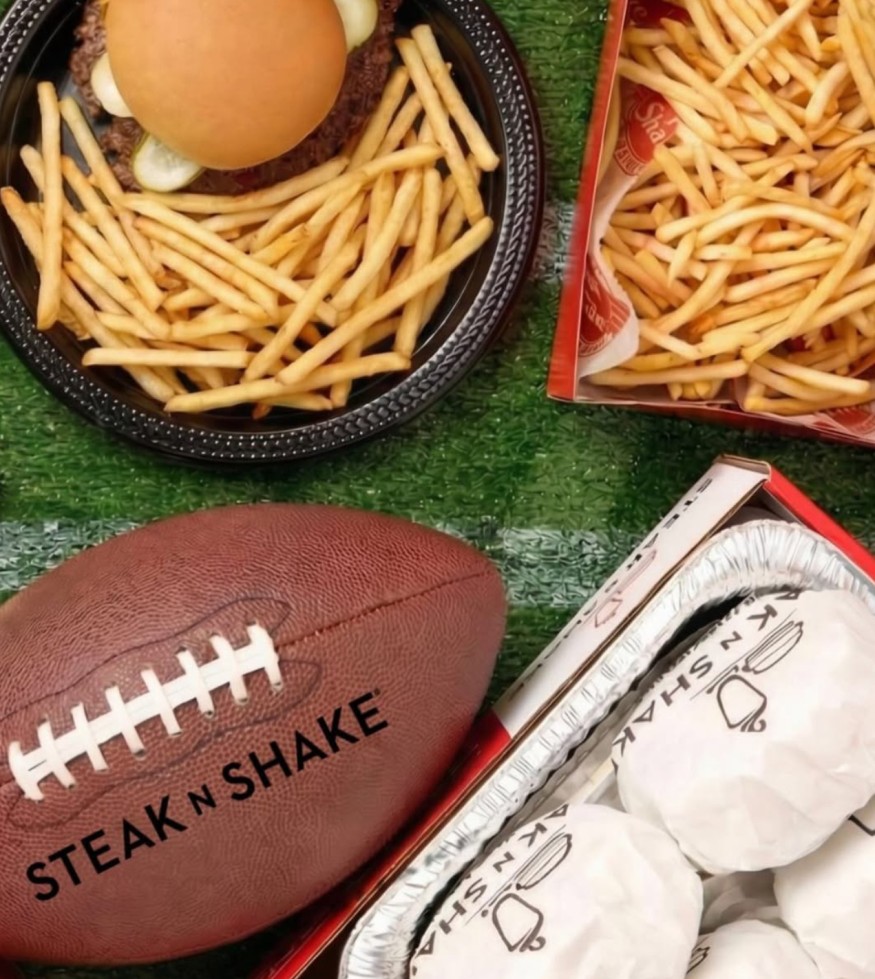
A familiar name in American quick service dining is making an unexpected operational change. Steak 'n Shake has announced it will remove microwaves from all of its restaurants across the United States, a move framed as part of its broader effort toward improving food quality measures.
The decision, as reported by NDTV Food, positions the chain within evolving fast food trends that increasingly emphasize freshness, traditional preparation, and ingredient transparency. According to the report, the company stated that quality-focused establishments do not rely on microwaves and that the removal is part of its journey toward more traditional cooking methods.
For a brand long associated with steakburgers and hand-dipped milkshakes, the shift represents more than a technical adjustment in the kitchen. It signals a recalibration of how quick service chains define quality in 2026.
Why Steak 'n Shake Is Removing Microwaves
Microwaves are widely used in fast food kitchens. They help reheat pre-cooked ingredients, speed up service during rush periods, and ensure consistency across hundreds of locations. For decades, they have been part of the infrastructure that allows chains to serve food quickly at scale.
Steak 'n Shake's leadership, however, has indicated that the company wants to lean further into traditional preparation methods. As highlighted in the NDTV coverage, the chain said it intends to rely on more conventional equipment rather than quick reheating tools. This aligns with a broader public conversation around whole foods and less processed preparation styles.
While the company has not positioned microwaves as inherently unsafe, the messaging centers on perception and quality. In an industry where consumer trust plays a growing role in purchasing decisions, how food is prepared can matter almost as much as what is served.
The Role of Microwaves in Fast Food Operations
To understand the impact of this decision, it helps to consider why microwaves became common in quick service restaurants in the first place.
Microwaves provide:
- Speed during peak service hours
- Standardized heating results
- Reduced reliance on additional stovetop or grill space
- Lower labor complexity for certain menu components
For many chains, microwaves are used not to cook raw proteins but to reheat sauces, warm buns, or finish pre-prepared items. Removing them requires rethinking workflows, retraining staff, and potentially adjusting kitchen layouts.
Industry observers note that eliminating microwaves may increase preparation times for some items. However, brands pursuing improving food quality measures often accept operational trade-offs if they believe customers will perceive a meaningful upgrade.
How This Reflects Current Fast Food Trends
Steak 'n Shake's decision does not exist in isolation. Over the past several years, fast food trends have shifted in response to changing consumer expectations.
Customers increasingly look for:
- Freshly prepared meals
- Ingredient transparency
- Fewer artificial additives
- Clearer sourcing practices
- Visible cooking methods
Some chains have introduced open kitchens so diners can see food being prepared. Others have highlighted clean label initiatives or switched to alternative cooking fats. These strategies reflect a competitive environment where differentiation often hinges on perceived authenticity.
In this context, removing microwaves becomes symbolic. It communicates a return to cooking methods that resemble full-service restaurants rather than assembly-line reheating.
Will This Change the Taste of the Food?
One of the central questions raised by the announcement is whether customers will notice a difference.
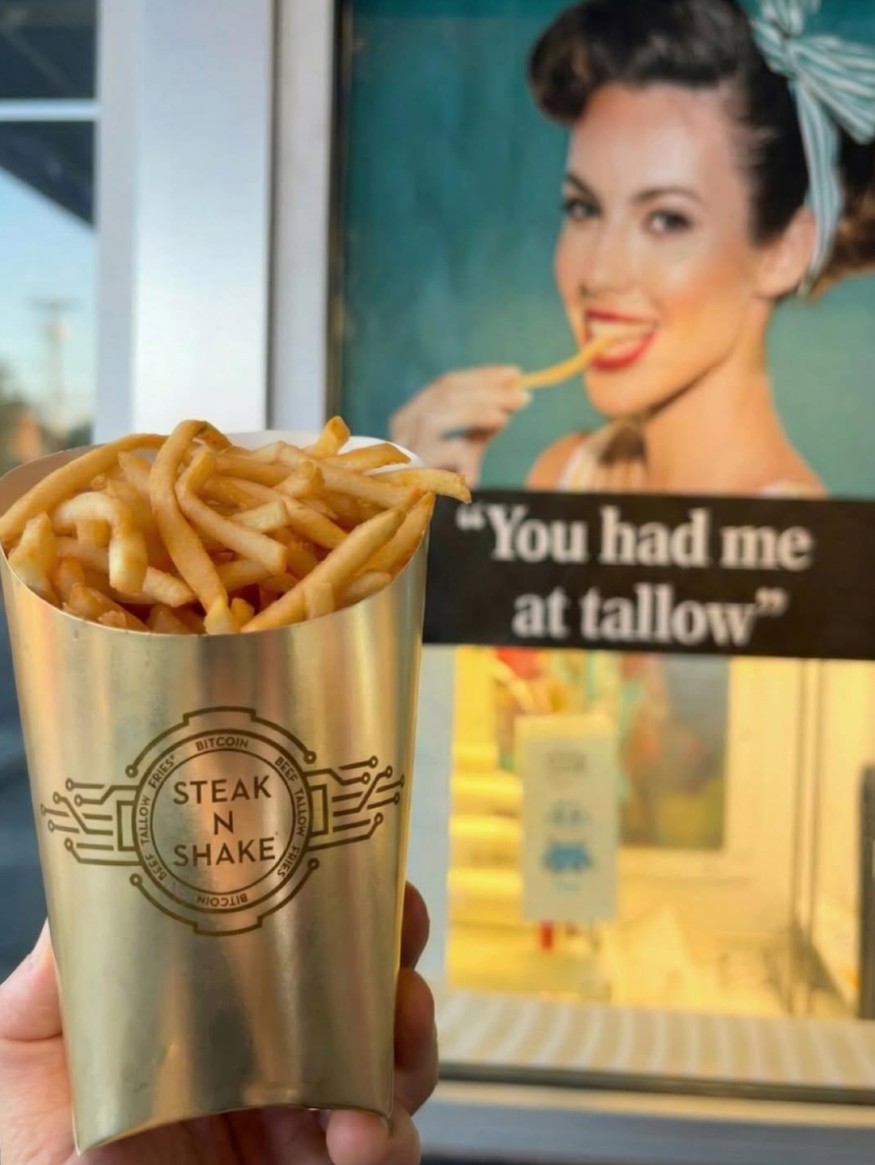
From a technical standpoint, microwaves heat food by exciting water molecules, which can sometimes alter texture. Traditional cooking methods such as grilling or stovetop heating may better preserve crispness or surface browning. For menu items like burgers or fries, preparation technique can influence mouthfeel and flavor perception.
That said, many consumers may not immediately detect a dramatic shift. The impact will depend on which components were previously reheated and how the new system is implemented. Steak 'n Shake has not announced sweeping menu changes alongside the microwave ban, suggesting the core offerings will remain familiar.
Still, even subtle differences can shape brand perception. In an era of social media reviews and food-focused content, small adjustments often receive outsized attention.
Balancing Speed and Quality
Quick service restaurants built their reputations on speed. The term itself reflects a promise of efficiency. Removing microwaves challenges the traditional equation that faster is always better.
However, modern fast food trends reveal that consumers are willing to wait slightly longer if they believe the food is fresher or prepared with more care. Fast casual concepts have already demonstrated that diners will accept moderate wait times in exchange for perceived quality improvements.
For Steak 'n Shake, the key will be maintaining reasonable service times while pursuing improving food quality measures. If operational adjustments result in significantly slower drive-thru performance, customer satisfaction could be tested. If the change feels seamless, it could strengthen loyalty.
Industry Reaction and Broader Implications
Food industry professionals have offered mixed reactions. Some chefs argue that microwaves are simply tools and that quality depends more on ingredients and execution than on equipment. Others see the move as a meaningful step toward elevating quick service standards.
From a strategic standpoint, the announcement may also function as brand repositioning. In a crowded burger market, distinct operational policies can help generate headlines and consumer curiosity. Public discussion alone can reinforce a company's commitment to freshness.
The NDTV report frames the microwave ban within a broader national conversation about food quality. Public health advocates and policymakers have increasingly highlighted the importance of minimally processed foods. While a microwave ban does not automatically transform a menu into a whole food diet, it contributes to a narrative about intentional preparation.
If the initiative proves successful, other chains may evaluate similar adjustments. Not every brand will remove microwaves entirely, but the emphasis on transparency and traditional methods is likely to persist.
What This Means for Customers
For diners, the most visible impact may be symbolic. Seeing a brand publicly commit to eliminating microwaves can reinforce trust. Customers who associate microwaves with shortcuts may view the decision as a positive sign.
Practically speaking, menu staples such as steakburgers and milkshakes are expected to remain central to the brand identity. The difference lies in back-of-house processes rather than front-of-house offerings.
As competition intensifies across the quick service landscape, changes like this highlight how chains are redefining value. Price still matters, but so does preparation style. The intersection of convenience and care now shapes consumer expectations more than ever.
How Improving Food Quality Measures Are Redefining Fast Food Trends
Steak 'n Shake's microwave ban captures a larger moment in American dining culture. Quick service restaurants are no longer judged solely on how quickly they deliver a meal. They are increasingly evaluated on how that meal is prepared, sourced, and presented.
By removing microwaves from its restaurants, Steak 'n Shake has aligned itself with evolving fast food trends that prioritize authenticity and freshness. Whether the change leads to measurable shifts in taste or simply strengthens perception, it underscores a growing industry focus on improving food quality measures.
As consumers continue to seek both speed and substance, operational decisions once confined to kitchen design are becoming central to brand identity. In that sense, the microwave debate is about more than equipment. It reflects how the definition of fast food itself is changing.
© copyright 2024 Food World News, a property of HNGN Inc. All rights reserved. Use of this website constitutes acceptance of our terms and conditions of use and privacy policy.


