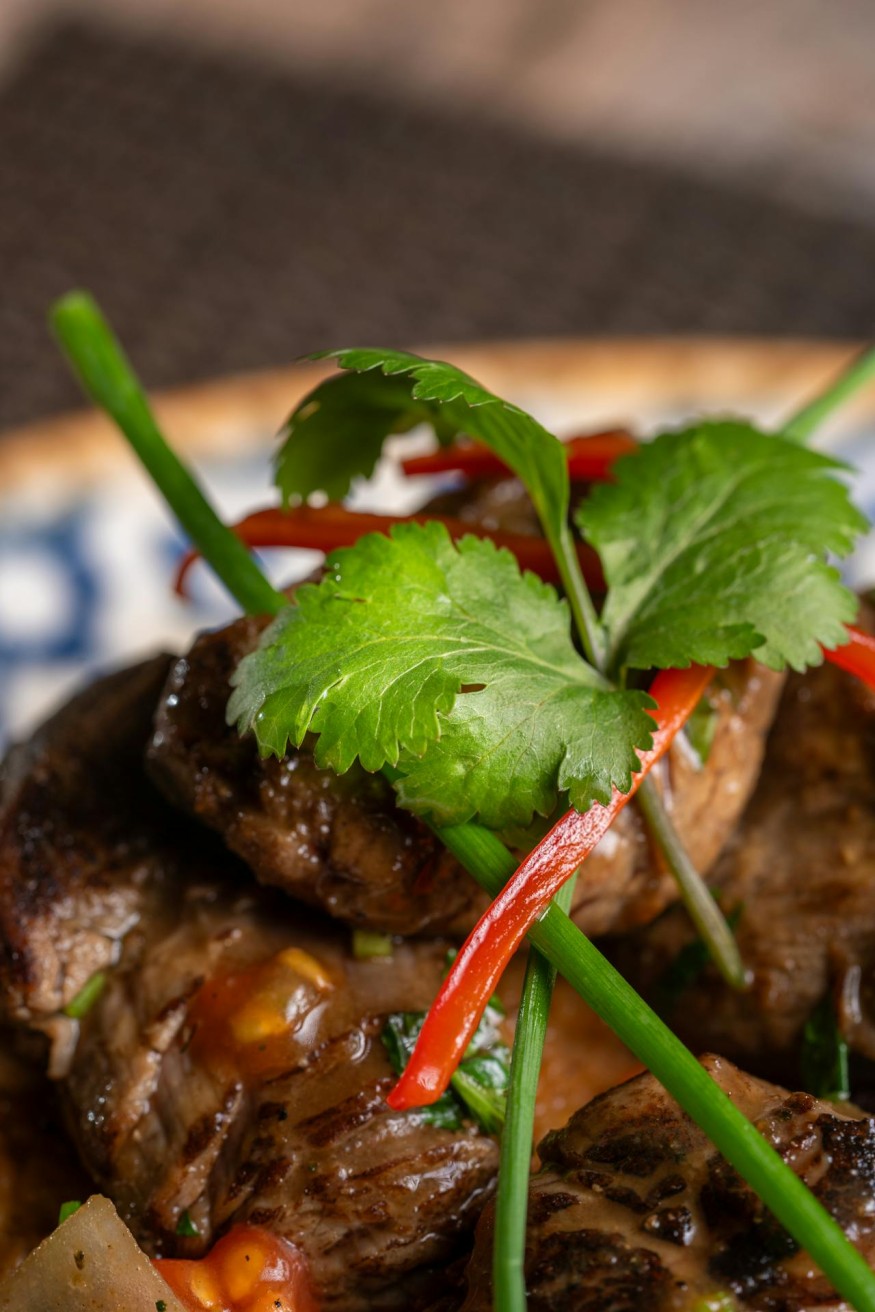
Cilantro is one of the most debated herbs in the kitchen. For some, it adds a bright and fresh flavor to dishes like salsa, curries, and salads. For others, it tastes unpleasantly like soap. This sharp divide has sparked curiosity around why cilantro tastes like soap and whether science can explain it.
Research suggests that this strong reaction is not just a matter of preference. It is closely linked to genetics, particularly what many refer to as the cilantro gene. Understanding how taste works can help explain why cilantro inspires such strong opinions.
Why Does Cilantro Taste Like Soap to Some People?
The soapy taste often described by cilantro skeptics is linked to specific chemical compounds found in the herb. Cilantro contains natural compounds called aldehydes, which are also found in soaps and cleaning products.
For some individuals, these aldehydes stand out more strongly. Instead of tasting fresh or citrusy, the flavor becomes sharp and unpleasant.
Key reasons behind the soapy taste:
- Certain people are more sensitive to aldehydes
- The brain interprets these compounds differently
- The smell and taste signals combine to create a strong reaction
This explains why the same ingredient can taste refreshing to one person and off-putting to another.
Is There a Gene That Makes Cilantro Taste Bad?
The idea of a cilantro gene is not just a myth. Studies have linked cilantro aversion to variations in genes related to smell receptors.
One specific gene affects how the body detects certain odor molecules. When this gene is more active, it can amplify the perception of aldehydes, making cilantro taste unpleasant.
This genetic difference helps explain why some people immediately dislike cilantro even when trying it for the first time.
What Is the Cilantro Gene and How Does It Work?
The cilantro gene refers to a group of genetic variations that influence how the nose and brain process scent. Taste is closely tied to smell, so these variations play a major role in flavor perception.
When someone with this genetic trait eats cilantro:
- The nose detects aldehydes more strongly
- The brain associates these compounds with soapy or chemical flavors
- The overall eating experience becomes less enjoyable
This reaction is automatic and not something that can be easily controlled.
Do People Without the Cilantro Gene Like It More?
People who do not have strong sensitivity to aldehydes tend to experience cilantro very differently. Instead of tasting like soap, cilantro can come across as:
- Fresh and slightly citrusy
- Herbal with a clean finish
- Bright and complementary to spicy foods
However, genetics is not the only factor. Cultural exposure and repeated tasting can also shape how cilantro is perceived.
Can You Train Yourself to Like Cilantro?
Even if someone initially dislikes cilantro, there may be ways to make it more tolerable over time. While the cilantro geneplays a role, taste preferences can still evolve.
Ways to ease into cilantro:
- Start with small amounts in mixed dishes
- Pair it with strong flavors like lime, garlic, or chili
- Try cooked cilantro, which can soften its intensity
Repeated exposure may help the brain become more familiar with the flavor, though strong aversions may remain.
Why Do Some Cuisines Use Cilantro More Than Others?
Cilantro is widely used in cuisines such as Mexican, Indian, Thai, and Middle Eastern cooking. In these regions, it is often introduced early in life, which can influence taste preferences.
Cultural familiarity can make cilantro feel like a natural part of a dish rather than a standout flavor. This helps explain why some people grow up enjoying cilantro while others find it difficult to appreciate.
Are There Health Benefits to Eating Cilantro?
Despite the debate around its taste, cilantro is known for its nutritional value. It contains vitamins and plant compounds that support overall health.
Potential benefits include:
- Providing essential nutrients like vitamin A and vitamin K
- Supporting digestion
- Offering antioxidant properties
Even those who dislike cilantro may still benefit from finding ways to include similar herbs in their diet.
What Can You Use Instead of Cilantro?
For those who cannot get past the taste, there are several alternatives that can deliver a similar fresh element without the soapy note.
Common substitutes:
- Parsley for a mild, herbal flavor
- Basil for a slightly sweet and aromatic touch
- Culantro, which has a stronger but different flavor profile
Adjusting recipes with these options can help maintain balance without relying on cilantro.
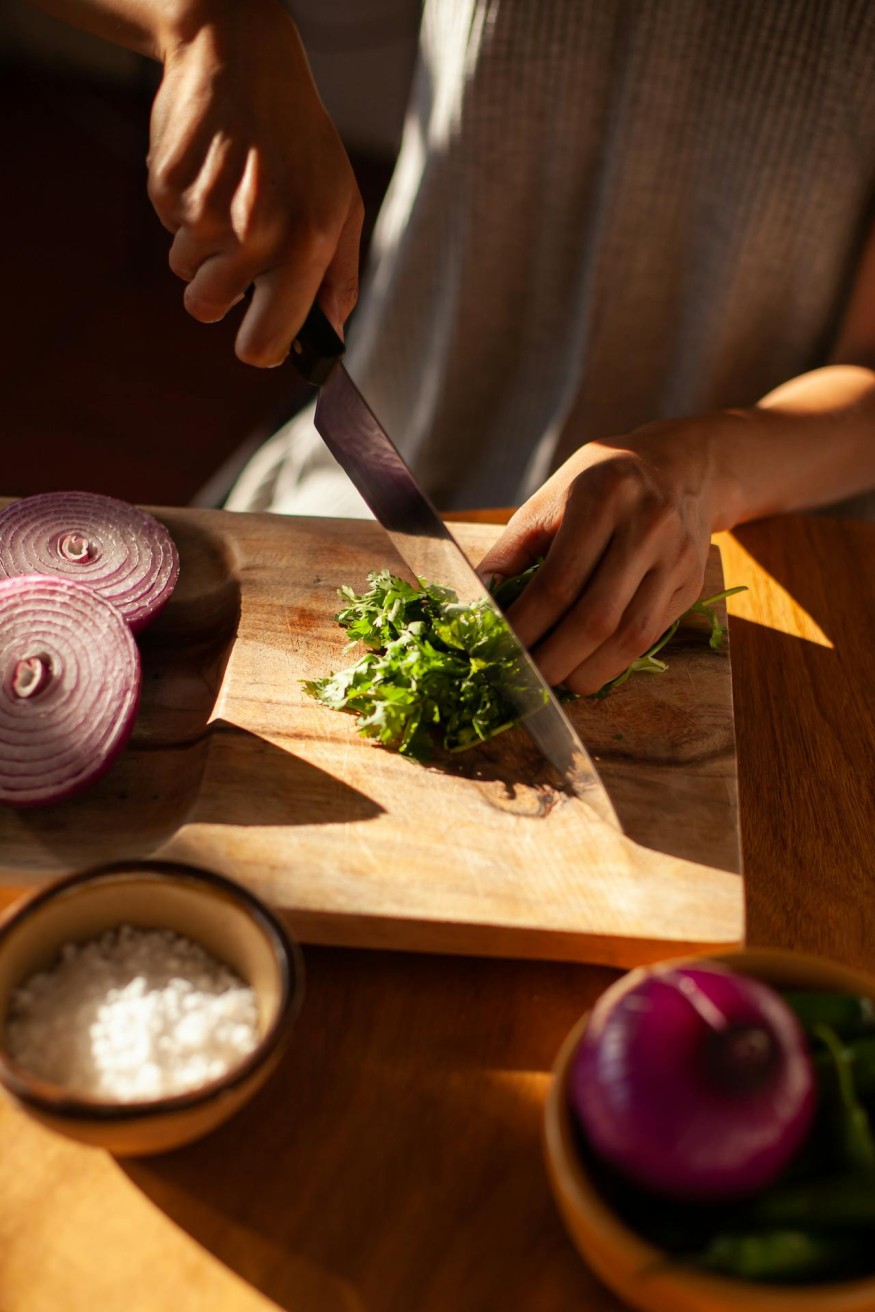
Is Disliking Cilantro Common?
Cilantro aversion is more common than many people realize. It is one of the few foods that triggers such a strong and immediate reaction.
Unlike other disliked ingredients, cilantro often produces a very specific description. The phrase why cilantro tastes like soap appears frequently because so many people share the same experience.
How Genetics and Taste Shape Food Preferences
Cilantro is a clear example of how genetics and environment work together to shape food preferences. While the cilantro gene influences how flavors are perceived, personal experiences also play a role.
Other factors that affect taste include:
- Early exposure to certain foods
- Cultural traditions
- Individual sensitivity to smells and textures
This combination explains why no two people experience flavor in exactly the same way.
Why Cilantro Tastes Like Soap for Some and Fresh for Others
The divide over cilantro highlights how complex taste can be. For some, it enhances dishes with a bright and refreshing flavor. For others, it creates an unpleasant experience that is hard to ignore. The answer to why cilantro tastes like soap lies in a mix of genetics, sensory perception, and personal experience. Understanding the role of the cilantro gene helps explain this difference and makes it easier to appreciate why opinions on cilantro remain so divided.
Frequently Asked Questions
1. Why does cilantro taste like soap to some people?
It is due to sensitivity to aldehydes, compounds in cilantro that can taste similar to soap for certain individuals.
2. What is the cilantro gene?
The cilantro gene refers to genetic variations that affect how people perceive the smell and taste of cilantro.
3. Can you train yourself to like cilantro?
Some people can develop a tolerance through repeated exposure, though strong aversions may remain.
4. Are there alternatives to cilantro in recipes?
Yes, parsley, basil, and culantro are common substitutes that provide a fresh flavor without the soapy taste.
© copyright 2024 Food World News, a property of HNGN Inc. All rights reserved. Use of this website constitutes acceptance of our terms and conditions of use and privacy policy.


