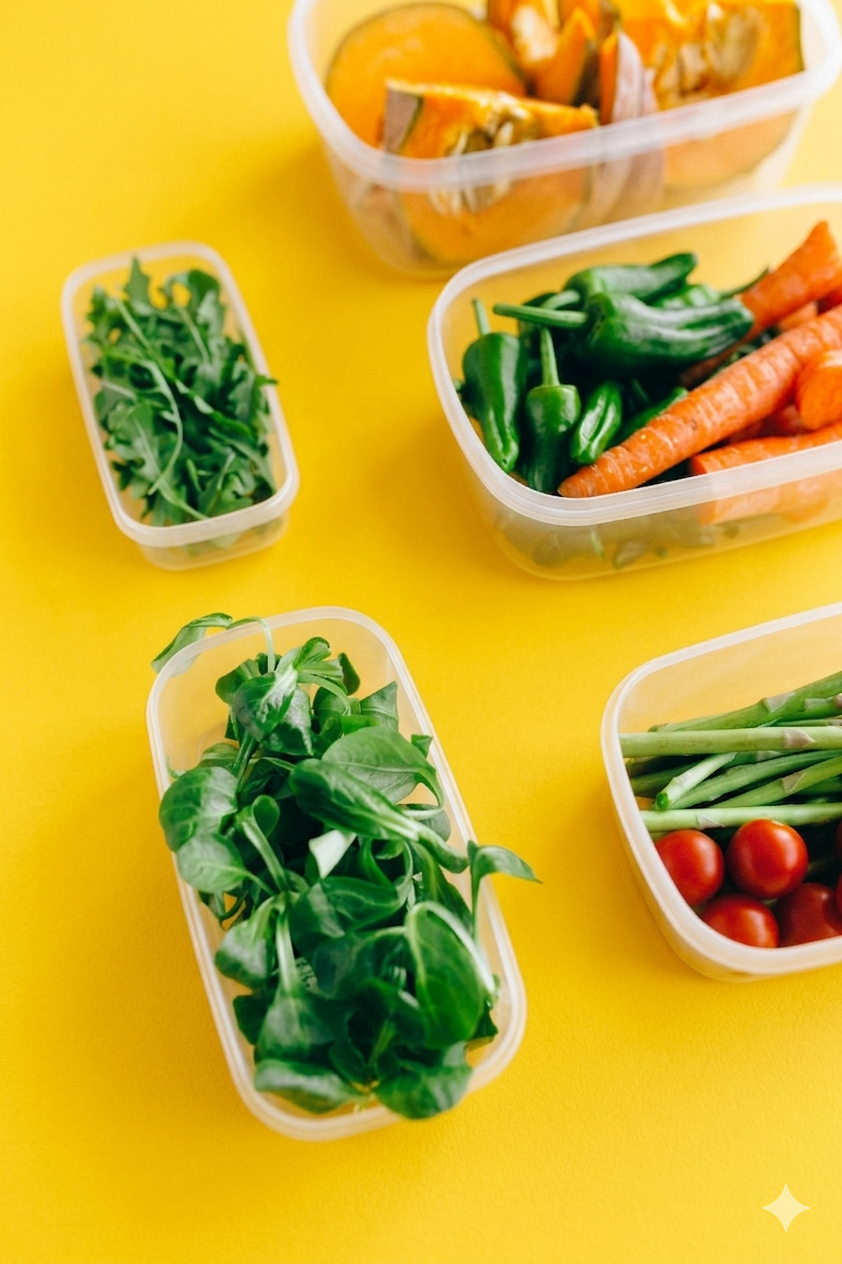
Plastic containers are in nearly every kitchen. They are convenient, affordable, stackable, and feel like a perfectly neutral choice for storing leftovers and meal prep. The problem is that for certain foods, they are anything but neutral.
Food safety experts have raised consistent concerns about chemical migration from plastic containers into food, particularly when the food is hot, acidic, fatty, or stored for extended periods. Three major categories of chemicals found in many plastics, including phthalates, PFAS, and bisphenol A, are known endocrine disruptors that can interfere with hormones and have been linked to various health concerns. This is not about eliminating all plastic from the kitchen overnight. It is about knowing which foods interact most aggressively with plastic and adjusting the most consequential storage habits first. For personalized health guidance, consulting a registered dietitian or physician is always advisable.
Why Do Some Foods React Badly With Plastic Containers?
Not all foods interact with plastic in the same way. The foods that cause the most concern fall into a few specific categories: those that are hot, acidic, or high in fat. Each triggers chemical migration from the plastic into the food through a different mechanism, and in some cases, the combination of multiple factors makes the risk significantly higher.
Acidic foods like tomato sauces and citrus react with plastic surfaces in ways similar to heat, causing the container material to break down incrementally. Most plastics are also porous at a microscopic level, which makes them prone to staining and capable of trapping food juices in their surfaces over time. Fatty foods present a separate but equally significant concern: they are more likely to trigger chemical migration, particularly in older or damaged containers.
Read more: Safer Swaps for Plastic: Food Safety Experts Share the Best Alternatives and Smart Food Storage Tips
What Foods Should Never Be Stored in Plastic Containers?
Food safety researchers and nutrition toxicologists consistently flag the same categories of food as the highest-risk choices for plastic storage. These are the ones worth addressing first:
- Raw meat and poultry: raw meats release natural juices that create conditions for harmful bacteria including Salmonella and E. coli when held in plastic containers. According to Brad Lampe, MPH, principal research toxicologist at NSF, glass containers with tight-fitting lids or butcher paper are the safer alternatives for raw protein storage
- Acidic foods: tomato-based dishes, citrus fruits and juices, salad dressings, and fermented foods such as yogurt, sauerkraut, and kimchi can react with plastic surfaces, causing chemicals to leach into the food; acidic foods also stain plastic containers over time, compounding contamination concerns
- Hot leftovers and freshly cooked food: the heat from uncooled dishes accelerates chemical leaching from plastics, including BPA and phthalates; plastic containers also tend to lock in moisture when warm food is placed inside them, creating conditions that promote mold and bacterial growth
- Dairy products: soft cheeses, milk, and yogurt need controlled airflow to maintain freshness; plastic containers trap moisture and create anaerobic conditions that accelerate spoilage, promote bacterial contamination, and speed up mold development, according to Lampe
- Leafy greens and fresh produce: vegetables need proper air circulation to maintain their cellular structure; plastic containers trap moisture around greens, leading to wilting, bacterial growth, and the kind of slimy decomposition that ruins a week's worth of meal prep
- Oily and fatty foods: butter, cheese, and fatty meats can absorb chemicals from plastic containers, especially during long storage periods or when stored at higher temperatures; glass or ceramic is the consistent expert recommendation for these food types
Is It Ever Safe to Store Hot Food in Plastic Containers?
The consistent guidance from food safety researchers is to avoid storing hot food in plastic containers entirely. All plastic containers, including those labeled BPA-free, may still contain alternative chemicals such as BPS or BPF, which some researchers suggest may pose similar concerns to BPA. The BPA-free label addresses one specific compound, not the broader category of plastic-derived chemicals that can migrate under heat.
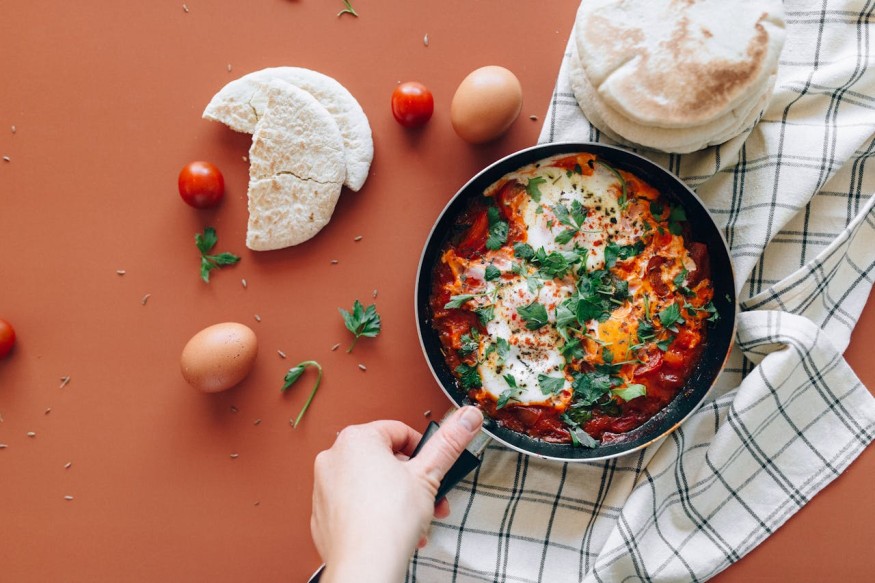
The practical rule is straightforward: allow food to cool to room temperature before transferring it to any storage container. The same principle applies to takeout containers, margarine tubs, and any single-use plastic packaging. These containers are not designed for reheating and can warp or partially melt when exposed to microwave heat, which pushes harmful chemicals directly into the food. The storage tip that eliminates this risk entirely is to transfer food to a ceramic plate or glass dish before reheating.
What Are the Safest Alternatives to Plastic Food Containers?
Food safety educators at Michigan State University Extension consistently recommend three categories of alternatives to plastic for home food storage:
- Glass: the most universally recommended alternative; unlike even food-safe plastics, acids in tomato sauce and other reactive foods do not break down glass components or migrate into fatty foods; glass jars and containers are non-reactive, widely available, and can be repurposed from everyday items like pasta sauce and jam jars at no cost
- Stainless steel: durable, non-reactive, and suitable for most food types including long-term dry storage of pantry staples; particularly effective for packed lunches and travel containers where breakage risk is higher
- Ceramic: a reliable non-reactive option for both storage and reheating; ceramic vessels are particularly well-suited for acidic foods and dairy, where the interaction with plastic is most pronounced
What Storage Tips Should Everyone Follow When Using Plastic Containers?
For anyone who cannot or does not want to switch entirely to glass or steel right away, these storage tips significantly reduce the risk without requiring a full kitchen overhaul:
- Never microwave food in plastic, even if the container is labeled microwave-safe; that designation only means it will not melt, not that it is chemically inert under heat; transfer food to a ceramic or glass dish before reheating
- Always let hot food cool to room temperature before placing it in any container, plastic or otherwise; this single habit reduces both chemical migration and condensation-related bacterial growth
- Do not store raw meat, acidic foods, or oily dishes in plastic for extended periods; if plastic must be used, keep the storage window short and transfer to glass or ceramic for anything held longer than a day or two
The Food Safety and Storage Tips That Make the Biggest Difference Starting Today
Switching away from plastic for the highest-risk foods covers the majority of daily food safety exposure without requiring a complete kitchen overhaul. Raw meat, hot leftovers, acidic dishes, and dairy are the four categories where the storage tips in this guide make the most immediate difference. Addressing those first, and moving toward glass or stainless steel containers over time, is a practical and evidence-informed approach to reducing chemical exposure in everyday cooking.
Frequently Asked Questions
1. Are BPA-free plastic containers completely safe for food storage?
Not necessarily. BPA-free containers address one specific chemical but may still contain alternatives such as BPS or BPF, which some researchers suggest may pose similar food safety concerns. The BPA-free label is a partial improvement, not a comprehensive assurance of safety.
2. What are the best storage tips for keeping leftovers safely?
The most important storage tips for leftovers are to let food cool before containerizing it, use glass or ceramic containers rather than plastic where possible, and avoid reheating in any plastic vessel. Food stored in airtight glass containers stays fresher longer, does not absorb odors, and eliminates the chemical migration concern associated with plastic.
3. Is it safe to store tomato sauce in plastic containers?
Tomato sauce is one of the foods experts most consistently recommend moving out of plastic storage. Its high acidity reacts with plastic surfaces over time, causing chemicals to migrate into the food and the container to stain and degrade. The practical storage tip is to transfer tomato sauce and other acidic dishes to glass jars or ceramic containers as soon as they are cool.
© copyright 2024 Food World News, a property of HNGN Inc. All rights reserved. Use of this website constitutes acceptance of our terms and conditions of use and privacy policy.


