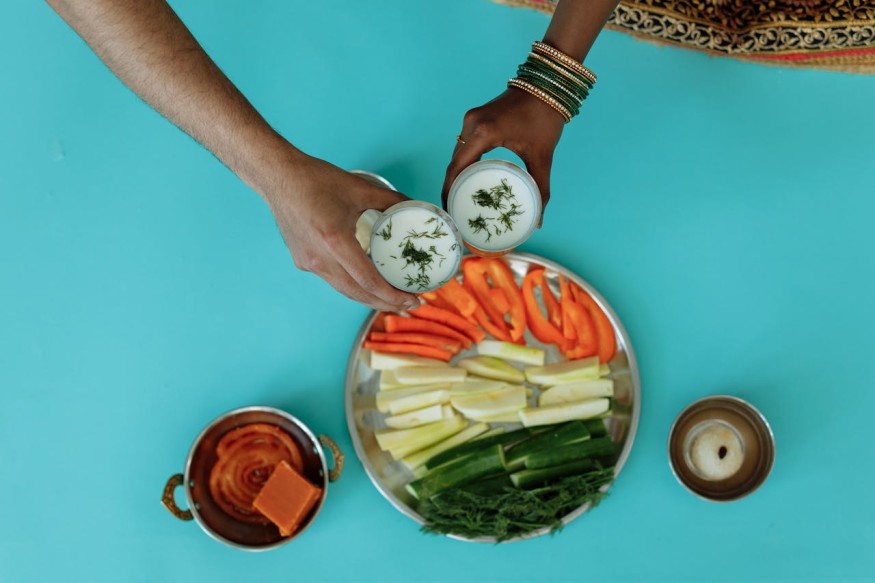
Most people who try and abandon a plant-based diet do not quit because they lack willpower. They quit because they did not know where to start. A near-empty fridge, a few failed recipe attempts, and a growing sense that eating this way is complicated are usually enough to send someone back to familiar territory. But a plant based diet beginner does not need a complete kitchen overhaul or an encyclopedic knowledge of vegan diet foods to make real progress. The foundation is far simpler: a short list of flexible, affordable staples that work across dozens of meals and taste good enough to become habits.
What Foods Should a Plant-Based Diet Beginner Start With?
The most common mistake beginners make is trying to replace every item in their current diet at once. A more effective approach is to build a starter pantry around five to seven ingredients that can anchor a wide range of meals. These are the foods that carry the most utility per dollar and require the least cooking skill to prepare well:
- Canned and dried legumes: black beans, chickpeas, and red lentils are affordable, high in protein and fiber, and ready to use in soups, tacos, grain bowls, and stews.
- Whole grains: brown rice, oats, and whole-wheat pasta provide a filling, nutritious base for most plant-based meals and store easily.
- Sweet potatoes: one of the most nutrient-dense carbohydrates available, easy to roast, mash, or stuff, and naturally satisfying.
- Firm tofu: a blank-canvas protein that absorbs marinades and spices well, works in stir-fries, scrambles, and grain bowls.
- Frozen vegetables: broccoli, peas, spinach, and mixed stir-fry bags retain full nutritional value, require zero prep, and reduce food waste significantly.
- Nuts and nut butters: walnuts, almonds, and peanut butter add healthy fats, protein, and staying power to snacks and smoothies.
Read more: The State of Plant-Based Food in 2026: Vegan Fast Food Trends Revealing Winners and Retreats
What Are the Best Vegan Diet Foods for Protein?
Protein is the nutrient beginners worry about most, and it is also the one that is easiest to meet on a plant-based diet once the right foods are in the rotation. Almost all whole plant foods contain some protein, but the most efficient sources are worth knowing by name.
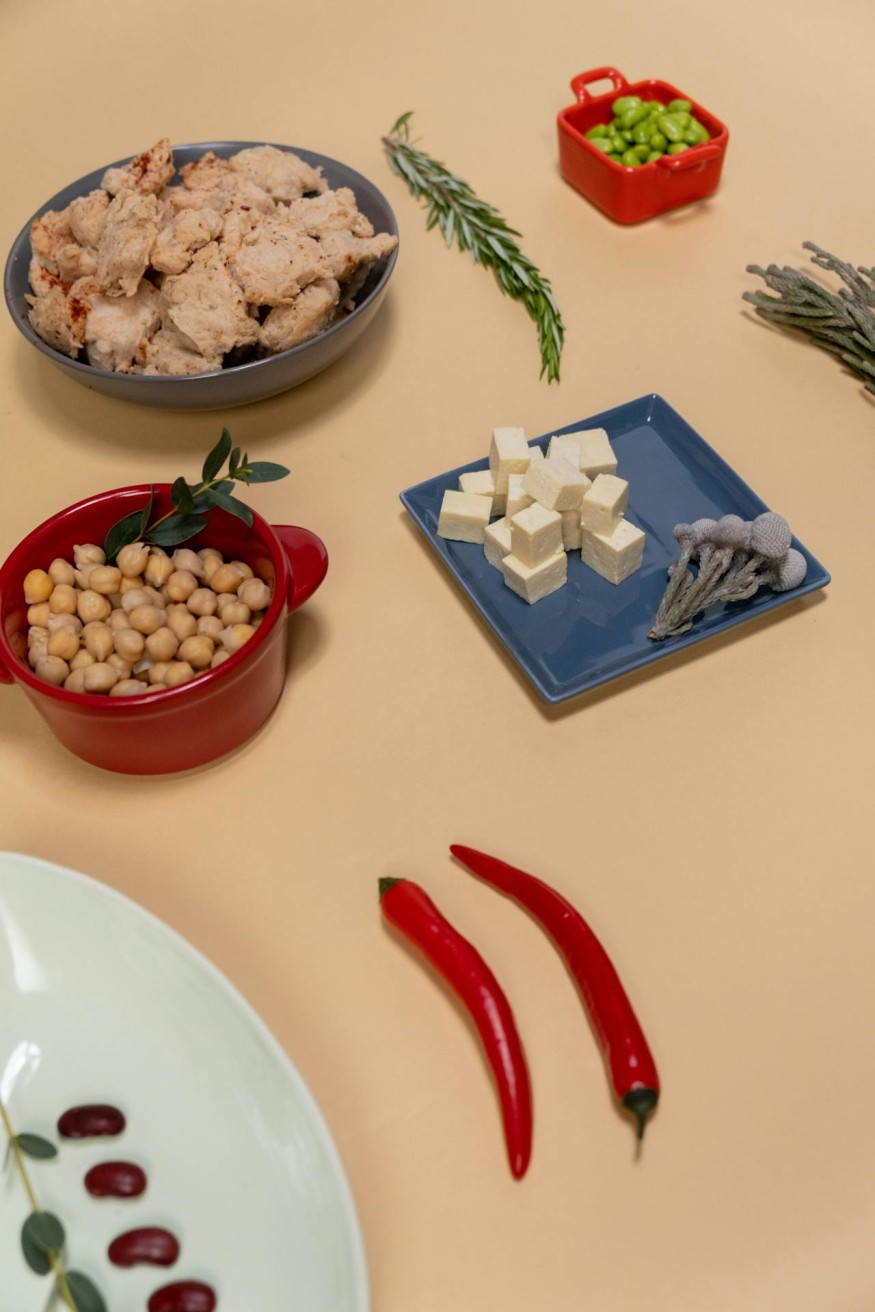
Tofu, tempeh, and edamame are among the highest-protein vegan diet foods available and are all derived from soy. They are also complete proteins, meaning they supply all nine essential amino acids the body cannot produce on its own. Quinoa and seitan are two other complete protein sources worth adding to a beginner's grocery list. For legume-based protein, lentils and chickpeas are particularly practical because they are inexpensive, filling, and take on the flavor of whatever they are cooked with.
Vegetables contribute more protein than most people expect. Broccoli, spinach, Brussels sprouts, sweet corn, and artichokes all provide meaningful amounts when eaten in volume. For a plant based diet beginner aiming to hit adequate protein daily, combining legumes, whole grains, and at least one soy-based food at each meal covers most nutritional ground without requiring any special planning.
What Are the Health Benefits of a Plant-Based Diet?
The research behind plant-based eating is consistent and substantial. A diet built around whole plant foods is linked to reduced risk of heart disease, type 2 diabetes, obesity, and certain cancers. The mechanism is largely about what plant-based diets contain and what they avoid: high levels of fiber, antioxidants, and anti-inflammatory compounds alongside low amounts of saturated fat and dietary cholesterol.
Gut health is another area where plant-based eating shows meaningful benefits. Fiber from vegetables, legumes, and whole grains feeds beneficial gut bacteria, which in turn support immune function, reduce systemic inflammation, and help regulate blood sugar and cholesterol levels. For beginners who have spent years eating low-fiber diets, the improvement in digestion alone is often one of the first and most noticeable changes after switching to more plant-forward meals.
Is a Plant-Based Diet the Same as a Vegan Diet?
The two terms are related but not interchangeable, and the distinction matters for beginners deciding how strict they want their approach to be.
A vegan diet excludes all animal products entirely, including meat, fish, dairy, eggs, and honey, for ethical, environmental, or health reasons. A plant-based diet is a broader term that prioritizes whole foods from plants but does not necessarily require the total elimination of animal products. Someone eating a Mediterranean-style diet, with occasional fish, eggs, and small amounts of dairy, can legitimately describe their approach as plant-based.
For a plant based diet beginner, this distinction is liberating. Starting by adding more plants rather than immediately eliminating entire food groups is a more sustainable entry point and leads to better long-term adherence. The direction of eating matters more than a perfect label in the early stages.
How Do You Start Without Feeling Overwhelmed?
Overwhelm is the most common barrier for beginners, and it almost always comes from trying to change everything at once. A more practical approach involves small, stackable shifts:
- Start with one fully plant-based meal per day, typically breakfast, since oats, fruit, and nut butter require almost no cooking skill.
- Build at least two dinners each week around legumes and whole grains before expanding from there.
- Use familiar flavor profiles from existing meals to guide the transition, such as making a bean version of a taco or a lentil version of a bolognese.
- Keep the freezer stocked with mixed vegetables, edamame, and frozen fruit to prevent the fridge-is-empty problem that derails most beginners.
- Avoid replacing meat with heavily processed meat substitutes as a primary protein strategy, as most are high in sodium and offer less nutritional value than whole vegan diet foods.
Plant-Based Diet for Beginners: The Easiest Way to Start Eating More Plants Today
A plant based diet beginner does not need a perfect plan, an expensive grocery haul, or a stack of cookbooks. What works is a short, reliable list of vegan diet foods that show up week after week, a willingness to experiment with spices and flavor, and the understanding that this is a direction rather than a destination. Lentils, chickpeas, tofu, oats, sweet potatoes, frozen vegetables, and whole grains cover most nutritional bases and anchor hundreds of meals. Starting there, and building steadily from a place of addition rather than restriction, is how a plant-based habit actually takes root.
Frequently Asked Questions
1. What should a plant-based diet beginner eat in a typical day?
A straightforward beginner day might include oatmeal with fruit and nut butter for breakfast, a grain bowl with brown rice, chickpeas, roasted vegetables, and tahini for lunch, and a lentil soup or tofu stir-fry with frozen vegetables over rice for dinner. Snacks like apple slices with peanut butter, a small handful of walnuts, or hummus with carrot sticks fill in the gaps. The emphasis is on whole vegan diet foods rather than packaged substitutes.
2. How does a plant-based diet beginner get enough protein?
By eating a variety of legumes, soy-based foods, whole grains, and vegetables throughout the day. Tofu, tempeh, edamame, lentils, black beans, chickpeas, quinoa, and seitan are the most protein-dense vegan diet foods available. Spreading protein across all three meals rather than trying to load it into one sitting makes hitting daily needs easier and more natural.
3. Do plant-based diet beginners need to take supplements?
Vitamin B12 is the one supplement most people eating a fully plant-based diet should take, as it is not reliably found in plant foods. Fortified plant milks, nutritional yeast, and certain cereals contain B12, but a supplement is the most dependable source. Vitamin D, iodine, and omega-3 fatty acids from algae oil are also worth discussing with a healthcare provider, particularly for those transitioning from a diet that included animal products. Individual needs vary, so consulting a registered dietitian is always a worthwhile step.
Read more: Can the MIND Diet Slow Brain Aging? Healthy Living Tips From a Brain-Boosting Eating Plan
© copyright 2024 Food World News, a property of HNGN Inc. All rights reserved. Use of this website constitutes acceptance of our terms and conditions of use and privacy policy.


