Stress often changes the way people eat. During overwhelming moments, many turn to familiar dishes that feel warm, filling, and emotionally satisfying. This is where a thoughtfully curated comfort foods list becomes relevant. These foods are not only associated with positive memories but are also often considered foods that boost mood in subtle ways.
While comfort foods are not a cure for stress, they can provide temporary relief and a sense of stability. Understanding why certain meals feel soothing can help people enjoy them more mindfully.
Why Do People Crave Comfort Foods When Stressed?
When stress levels rise, the body looks for quick sources of energy and emotional reassurance. Hormonal changes can increase cravings for foods rich in carbohydrates, sugar, and fat. These foods are often linked to pleasure and reward.
Emotional eating also plays a role. Many people associate certain meals with childhood, celebrations, or family traditions. Reaching for these dishes during stressful times can create a feeling of comfort and familiarity.
What Are Comfort Foods?
Comfort foods are dishes that provide emotional satisfaction beyond basic nutrition. They are often:
- Warm and easy to eat
- Rich in flavor and texture
- Linked to personal or cultural memories
- Simple or nostalgic in nature
Different cultures have their own versions of comfort foods, but the purpose remains the same. They offer a sense of ease during challenging moments.
10 Comfort Foods People Love During Stressful Times
This comfort foods list highlights widely loved dishes that many people turn to when they need a mood lift.
1. Mac and Cheese
Mac and cheese is known for its creamy texture and rich flavor. The combination of pasta and melted cheese creates a dish that feels both filling and nostalgic.
2. Chocolate
Chocolate is often associated with pleasure and relaxation. It is one of the most recognized foods that boost mood, thanks to its indulgent taste and comforting sweetness.
3. Pizza
Pizza combines carbs, cheese, and savory toppings, making it a satisfying choice. It is also commonly shared, which adds a social and emotional element.
4. Ice Cream
Ice cream offers a cold, sweet treat that feels rewarding after a long day. Its variety of flavors makes it easy for people to find a favorite.
5. Fried Chicken
Crispy on the outside and tender on the inside, fried chicken is often tied to family meals and gatherings. Its rich flavor makes it a go to comfort dish.
6. Mashed Potatoes
Soft and buttery mashed potatoes are easy to eat and deeply comforting. They are often paired with other home style dishes, reinforcing their nostalgic appeal.
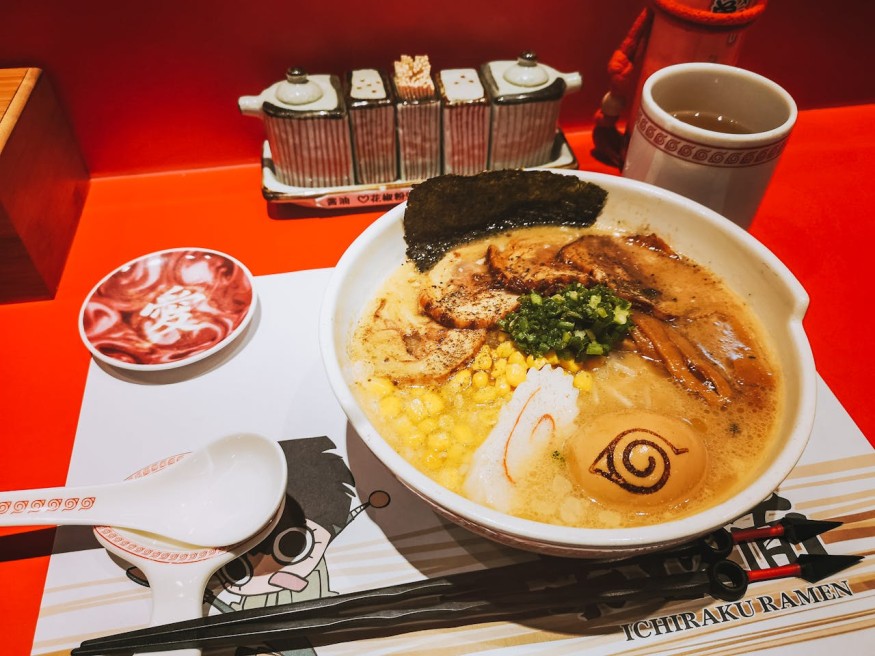
7. Ramen or Noodle Soup
Warm broth based meals like ramen or noodle soup provide both hydration and comfort. The warmth alone can help create a calming effect.
8. Grilled Cheese Sandwich
A grilled cheese sandwich combines crispy bread with melted cheese. It is simple, quick to make, and widely loved across age groups.
9. Pancakes or Waffles
Sweet breakfast foods like pancakes and waffles can feel indulgent at any time of day. They are often linked to relaxed mornings and positive routines.
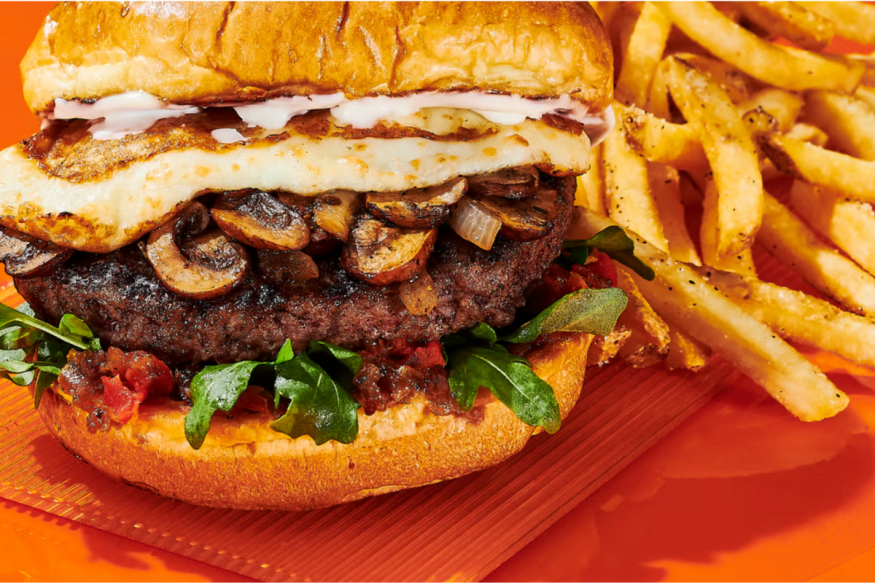
10. Burgers
Burgers are hearty and satisfying. Their combination of textures and flavors makes them a popular choice when people want something filling and familiar.
Do Comfort Foods Really Boost Your Mood?
Comfort foods can provide short term emotional relief. Eating something familiar may trigger positive memories or feelings of safety. This can help ease stress in the moment.
However, the effect is often temporary. While some foods that boost mood may support well being through nutrients and energy, balance is still important. Relying only on these foods without variety may not support overall health.
Are There Healthier Comfort Food Alternatives?
Comfort food does not always have to mean heavy or overly rich meals. There are ways to enjoy favorite dishes with a lighter approach while still keeping their comforting qualities.
Some ideas include:
- Baking instead of frying for dishes like chicken
- Using whole grain bread for grilled cheese
- Choosing dark chocolate for a richer flavor
- Adding vegetables to pasta or noodle dishes
These adjustments allow people to enjoy their comfort foods list while being mindful of overall eating habits.
How to Enjoy Comfort Foods Without Overindulging
Finding balance is key when enjoying comfort foods. Instead of avoiding them, it can help to approach them with awareness.
- Eat slowly and focus on the experience
- Serve reasonable portions
- Pair comfort foods with nutrient rich options
- Recognize emotional triggers for eating
This approach allows people to enjoy foods that boost mood without feeling restricted or overwhelmed.
The Emotional Connection Between Food and Well Being
Food is deeply tied to emotion. Many comfort foods are linked to memories, traditions, and cultural identity. Whether it is a warm bowl of soup or a favorite dessert, these meals often represent more than just taste.
During stressful times, this connection becomes even more important. Comfort foods can act as a form of self care, offering a brief moment of calm and familiarity in an otherwise busy or challenging day.
Finding Balance With Comfort Foods and Mood Support
A well rounded comfort foods list can be part of a balanced lifestyle when enjoyed in moderation. While these foods may not solve stress, they can provide temporary comfort and emotional ease.
Choosing foods that boost mood while also maintaining variety can support both enjoyment and overall well being. The goal is not to eliminate comfort foods, but to include them in a thoughtful and balanced way.
Frequently Asked Questions
1. What foods are known to boost mood?
Foods like chocolate, warm soups, and carbohydrate rich meals are often considered foods that boost mood because they provide comfort and energy.
2. Why do people crave comfort foods during stress?
Stress can trigger emotional eating and increase cravings for familiar foods that provide a sense of relief and stability.
3. Are comfort foods always unhealthy?
Not necessarily. Many comfort foods can be adjusted with healthier ingredients while still maintaining their flavor and appeal.
4. Can healthy foods also be comforting?
Yes. Dishes like vegetable soups, whole grain meals, and homemade recipes can also provide comfort while supporting overall nutrition.
© copyright 2024 Food World News, a property of HNGN Inc. All rights reserved. Use of this website constitutes acceptance of our terms and conditions of use and privacy policy.


