Archives
Study: Predicted environmental changes could significantly reduce global production of vegetables
Study: Mangos help promote gut health
Study: Mangos help promote gut health Next time you suffer from constipation, you may want to consider grabbing a mango instead of reaching for a fiber supplement, suggests a new Texas A & M University pilot study published in the peer-reviewed journal Molecular Nutrition and Food Research. Want to optimize your caffeine level? Army researchers made an app for that
Want to optimize your caffeine level? Army researchers made an app for that It's 9 a. m. and you're facing a dilemma: should I have a second cup of coffee? Caffeine spurs the central nervous system, making a person feel more awake, alert, and prepared to withstand the barrage of work meetings. Radish cover crop traps nitrogen; mystery follows
Radish cover crop traps nitrogen; mystery follows When you think of a radish, you may think of the small, round, crunchy, red-and-white vegetable that is sliced into salads. Study: Farming crops with rocks to reduce CO2 and improve global food security
Study: Farming crops with rocks to reduce CO2 and improve global food security Farming crops with crushed rocks could help to improve global food security and reduce the amount of CO2 entering the atmosphere, a new study has found. Food fraud in China leads to opportunities for EU products
Food fraud in China leads to opportunities for EU products The perceived safety and quality of food imported from Europe into China provides commercial opportunities for European food producers, research has found. Rice becomes less nutritious as CO2 levels rise
Rice becomes less nutritious as CO2 levels rise Increased carbon dioxide in the atmosphere will reduce the nutritional value of rice, according to an international research team that analyzed rice samples from field experiments started by a University of Tokyo professor. 10 Things You Must Know About Starbucks
10 Things You Must Know About Starbucks Starbucks Corporation is an American coffee company and coffeehouse chain. Starbucks was established in Seattle, Washington in 1971. Study: Clean plates much more common when we eat at home
Study: Clean plates much more common when we eat at home When people eat at home, there's typically not much left on their plates - and that means there's likely less going to landfills, according to new research from The Ohio State University. Drinking baking soda could be an inexpensive, safe way to combat autoimmune disease
Drinking baking soda could be an inexpensive, safe way to combat autoimmune disease A daily dose of baking soda may help reduce the destructive inflammation of autoimmune diseases like rheumatoid arthritis, scientists say. Researchers use emojis to develop a modern face scale for product testing
Researchers use emojis to develop a modern face scale for product testing A recent study by sensory researchers at Kansas State University's Olathe campus finds that emojis are a viable alternative to words when it comes to accurately measuring how kids feel about food, products and other experiences. One in 10 parents say their child has gotten sick from spoiled or contaminated food
One in 10 parents say their child has gotten sick from spoiled or contaminated food No parent wants to come home from a picnic or restaurant with a little one whose stomachache turns into much worse. Research supports calls for food industry to reduce food product portion sizes
Research supports calls for food industry to reduce food product portion sizes New research, published in the American Journal of Clinical Nutrition, highlights the benefits of the food industry changing food product portion sizes in order to make healthier eating more normal. Study: Teens likely to crave junk food after watching TV ads
Study: Teens likely to crave junk food after watching TV ads Teenagers who watch more than three hours of commercial TV a day are more likely to eat hundreds of extra junk food snacks, according to a report by Cancer Research UK. 3-D printed food could change how we eat
3-D printed food could change how we eat Imagine a home appliance that, at the push of a button, turns powdered ingredients into food that meets the individual nutrition requirements of each household member.
MOST Read
USDA Issues Highest-Risk Recall for Frozen Soup Dumplings Sold in 3 States Over Undeclared Peanut
Starbucks Is Bringing Back the S'mores Frappuccino After 6 Years — Here's When You Can Get It
The Messi Lay's Chips That Sold Out Last Year Are Back for the World Cup
A Daily Bag of Chips Could Be Slowing Down Your Brain, New Research Suggests
Egg Prices 2026: Why the Egg Shortage Refuses to Go Away and What Comes Next
News


More News
-

From Gym Bags to Grocery Carts: How Protein Became America’s Biggest Food Trend in 2026
-

Subway Closes 729 US Restaurants as McDonald’s Gains Ground in Fast-Food Race
-
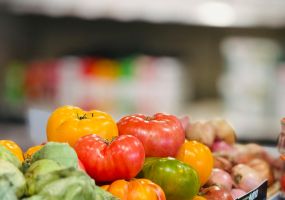
Shrinkflation Food Alert: The Real Impact of Grocery Shrinkflation on Everyday Products
-

Food Prices Rising and Grocery Inflation Are Changing Shopping Habits for Good


